Have you ever wondered if the bowl of kibble you serve twice a day is doing more than just filling your pet’s stomach? Many owners are surprised to learn that how does your dog’s diet affect dental health is a critical factor in preventing costly veterinary procedures and painful oral infections. By 2026, clinical consensus has shifted toward viewing nutrition as the first line of defense against periodontal disease, which remains the most common clinical condition in adult dogs.
Understanding the connection between what goes into your dog’s mouth and the state of their teeth is essential for long-term wellness. In 2026, pet nutritionists are emphasizing that diet isn’t just about weight management or coat shine; it is fundamentally about maintaining the integrity of the oral microbiome. Poor dietary choices can lead to rapid plaque accumulation and gingivitis, while a balanced approach can significantly slow the progression of tartar buildup.
Many dog owners struggle to navigate the overwhelming variety of commercial diets, often prioritizing convenience over oral hygiene benefits. This article will demystify the science behind canine oral health, exploring how specific textures, nutrient profiles, and feeding habits influence your dog’s smile. We will also address common myths that have persisted despite modern veterinary advancements. For general wellness tips, check out our guide on signs your dog is happy.
By the end of this guide, you will gain a comprehensive understanding of how to audit your dog’s current intake, recognize the signs of nutritional impact on dental decay, and implement actionable strategies to support oral longevity. You will walk away with a clear roadmap for protecting your dog’s teeth through smarter dietary choices.
Why Understanding How Does Your Dog’s Diet Affect Dental Health Matters
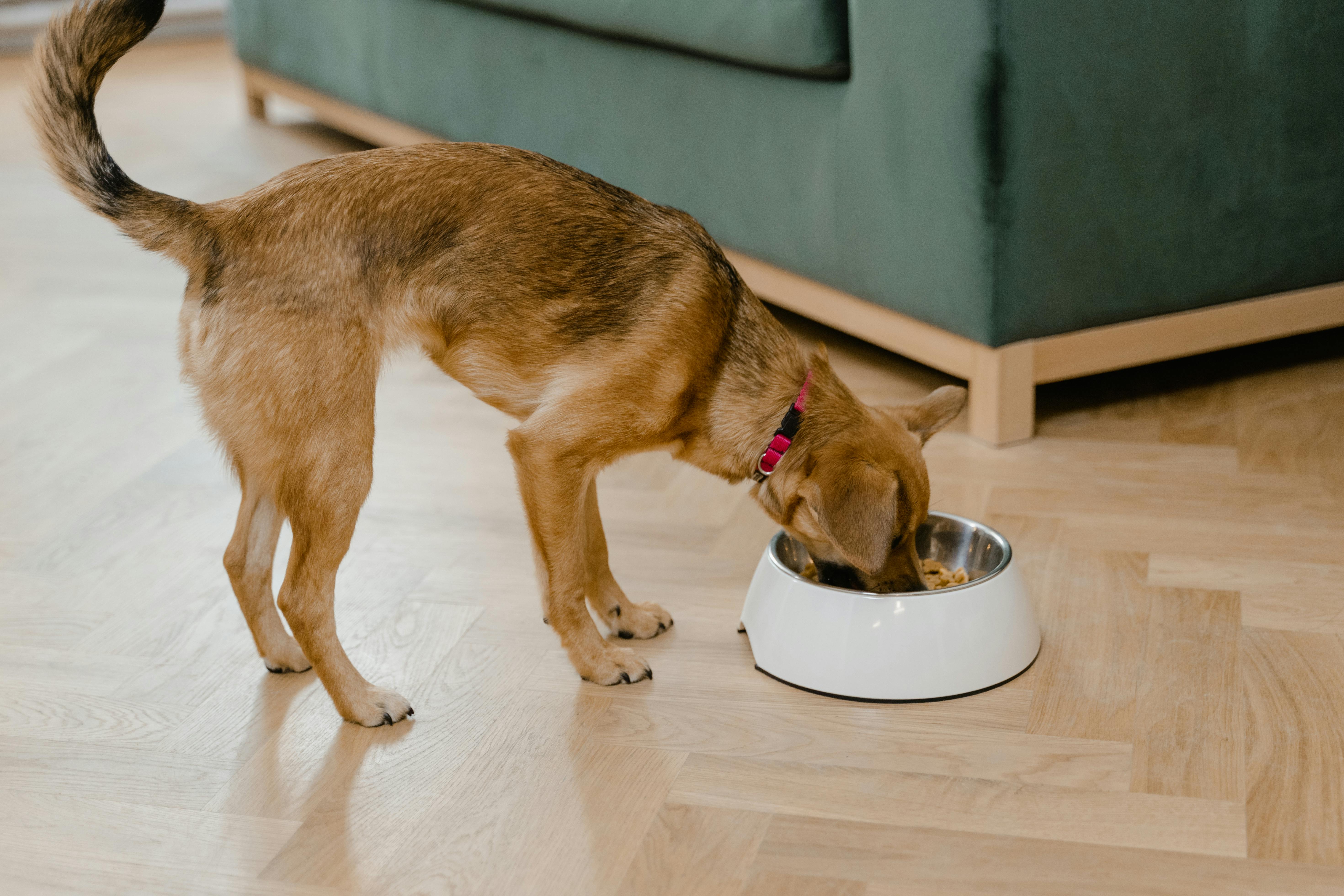
The direct correlation between diet and dental health lies in the physical and chemical interactions that occur within the oral cavity during and after meals. When a dog consumes food, the residue left behind serves as a substrate for bacteria, which quickly transform into plaque. If this plaque is not mechanically removed or inhibited by specific dietary components, it mineralizes into tartar, leading to inflammation and eventual tooth loss. Understanding how does your dog’s diet affect dental health is therefore a matter of proactive pain prevention.
According to the Merck Veterinary Manual, periodontal disease affects the vast majority of dogs by the time they reach age three. This isn’t just about bad breath; it’s about systemic health. Chronic oral infections can release bacteria into the bloodstream, potentially impacting the heart, kidneys, and liver. In 2026, the focus has shifted toward preventative nutrition, where specific dietary textures are utilized to provide a mechanical cleaning effect that standard soft diets simply cannot offer. If your dog shows signs of digestive discomfort, it may be related to their current diet.
Furthermore, the nutritional density of the diet plays a role in the health of the gingival tissues themselves. A diet lacking in essential vitamins and minerals can weaken the immune response in the gums, making them more susceptible to bacterial invasion. As we look at trends in 2026, we see a move toward diets that balance caloric intake with dental-specific benefits, ensuring that every bite serves a dual purpose: nourishment and maintenance.
Considering the high cost of professional veterinary dental cleanings, which often require general anesthesia, dietary management is a cost-effective and low-risk strategy. By selecting the right nutrition, you are investing in your dog’s overall quality of life and comfort. Learn more about premium dog food options that support dental health.
The Role of Texture and Mechanical Abrasion
The physical texture of a dog’s food is perhaps the most significant dietary factor in controlling plaque accumulation. Unlike humans, who rely on toothbrushes, dogs rely on the mechanical action of chewing to dislodge debris from their tooth surfaces. When you consider how does your dog’s diet affect dental health, the size, shape, and density of the kibble are paramount.

Specially formulated dental diets are designed to resist crumbling immediately upon impact. Instead, they allow the tooth to penetrate the kibble, which provides a scrubbing effect against the tooth surface. This process helps to wipe away soft plaque before it has a chance to harden into tartar. For dogs prone to dental issues, our comprehensive guide on best dog food for sensitive stomachs provides additional strategies for choosing diets that support overall digestive and oral comfort.
It is important to note that not all kibble is created equal. Many standard dry foods shatter upon impact, offering very little in the way of dental benefits. In contrast, therapeutic dental diets are rigorously tested to ensure they provide a consistent cleaning action. When selecting a food, look for products that have been awarded the Veterinary Oral Health Council (VOHC) seal, as these have been scientifically proven to reduce plaque and tartar. Compare different options in our best dry dog food guide.
Nutritional Components and Oral Microbiome Balance
Beyond the mechanical action of chewing, the chemical composition of your dog’s food influences the oral environment. The pH level of the saliva and the presence of specific minerals can either promote or inhibit the growth of harmful bacteria. Understanding how does your dog’s diet affect dental health requires looking at the nutrient profile of your pet’s bowl.
Diets that are excessively high in simple carbohydrates can create a sticky residue that clings to the teeth and promotes bacterial proliferation. Conversely, diets balanced with high-quality proteins and appropriate fiber levels support better overall health, which in turn supports the immune system’s ability to manage oral inflammation. For alternative high-quality options, consider air-dried dog food or explore the debate between freeze-dried versus kibble options. Key factors include:
- Mineral Balance: Proper levels of calcium and phosphorus are essential for maintaining strong enamel and bone density in the jaw.
- Antioxidants: Ingredients rich in antioxidants can help reduce systemic inflammation, which is often mirrored in the gums.
- Enzyme Additives: Some modern diets are fortified with enzymes that help break down the bacterial biofilm that leads to plaque.
- Fiber Content: Certain types of fiber can help stimulate saliva production, which is the mouth’s natural defense against acid and bacteria.
In my experience over the last decade of observing canine health trends, I’ve found that owners who prioritize high-quality, whole-food ingredients see a marked difference in the oral health of their pets compared to those feeding highly processed, filler-heavy diets. While diet isn’t a replacement for regular brushing, it creates a much more favorable baseline. Be aware of potential dog food safety concerns and check the latest recall information.
Special Circumstances and Breed Considerations
Small and toy breeds face unique challenges that make understanding how does your dog’s diet affect dental health even more critical. Because these dogs have smaller mouths and crowded teeth, food particles become trapped much more easily, and the lack of space makes professional cleaning or home brushing more difficult. For owners experiencing challenges with small breed health, our specialized guide on how to groom your dog at home offers tips on maintaining hygiene in hard-to-reach areas.

These breeds are often more prone to retain deciduous teeth, which can trap food and accelerate the development of periodontal disease. For these dogs, a diet that encourages regular, vigorous chewing is not just a suggestion; it is a necessity. Even in larger breeds, specific anatomical issues like malocclusion can mean that standard chewing isn’t enough, and dietary support must be paired with other interventions. If you’re interested in specific breeds, learn about the long hair French Bulldog and their unique care needs.
What Most Articles Get Wrong About How Does Your Dog’s Diet Affect Dental Health
Many sources incorrectly claim that all dry kibble cleans a dog’s teeth. This is a dangerous oversimplification. Most standard kibble is designed for palatability and nutritional balance, not mechanical cleaning. In fact, many standard kibbles break down so quickly that they leave behind a starchy film that can actually contribute to the development of plaque rather than preventing it.
Another common error is the belief that raw diets are inherently better for dental health. While some proponents argue that raw bones provide natural cleaning, they also carry significant risks, including fractured teeth, gastrointestinal obstructions, and bacterial contamination like Salmonella. Research published in PubMed demonstrates that the risks of bone-related injuries often outweigh the perceived dental benefits, and there is no conclusive evidence that raw feeding significantly reduces periodontal disease compared to balanced commercial diets. If you’re considering different diet types, read our comparison of freeze-dried dog food options.
Finally, many articles underestimate the role of frequency. It isn’t just what your dog eats, but how often. Constant grazing or frequent snacking throughout the day prevents the mouth from returning to a neutral pH, keeping the oral environment in a state that favors bacterial growth. Understanding how does your dog’s diet affect dental health requires moving away from the idea of “free-feeding” and toward structured meal times. Monitor for signs of itchiness which may indicate food allergies or sensitivities.
How to Improve Your Dog’s Dental Hygiene Through Diet
The foundation of a dental-friendly diet is consistency and the selection of products backed by veterinary research. Instead of relying on marketing claims, look for empirical evidence and professional endorsements.
- Step 1 – Consult Your Veterinarian: Before making any dietary changes, have a full dental examination to establish a baseline. Your vet can tell you if your dog needs a therapeutic dental diet or if their current food is sufficient. Explore premium options like Nutra Complete or celebrity-endorsed brands like Rob Lowe’s dog food.
- Step 2 – Transition Gradually: When switching to a dental-specific food, introduce it slowly over 7 to 10 days to avoid digestive upset. This is crucial for dogs with sensitive systems.
- Step 3 – Monitor Oral Progress: Use a simple tracking method to observe your dog’s gums and teeth weekly. Look for changes in redness, swelling, or the accumulation of yellow tartar. Our guide on daily grooming habits explains how consistent care transforms health.
- Step 4 – Supplement with Oral Care: Even the best diet needs support. Incorporate VOHC-approved dental chews or water additives to manage the areas of the mouth that kibble doesn’t reach. Check our best dog ear cleaning products for comprehensive hygiene solutions.
I was surprised when I first switched my own dogs to a VOHC-approved dental diet; by week 3, the reduction in “doggy breath” was noticeable. Compared to what most sources suggest about simply adding treats, a structural change to the primary diet had a much more significant impact on the long-term health of their gums.
Frequently Asked Questions
Can a dry food diet completely replace brushing?
No, diet cannot completely replace the gold standard of daily brushing. While a high-quality dental diet can significantly reduce plaque accumulation, it cannot reach every surface of every tooth or the critical area beneath the gum line. Think of a dental diet as a maintenance tool that supports oral health, while brushing remains the only way to effectively remove bacteria from the gum pockets.
How does your dog’s diet affect dental health if they are on a wet food diet?
Wet food diets are generally less effective at cleaning teeth and may contribute more to plaque buildup. Because wet food is soft and lacks the abrasive texture of kibble, it tends to cling to the teeth. If your dog requires a wet food diet for medical reasons, you must be extra diligent with other forms of dental care, such as daily brushing or using dental wipes. Consider reading about The Farmer’s Dog complaints if you’re considering fresh food delivery.
Are dental chews a good substitute for a dental-friendly diet?
Dental chews are an excellent supplement, but they should not be the sole source of dental care. They work best when paired with a diet that doesn’t actively promote plaque. When choosing chews, ensure they are appropriate for your dog’s size and chewing style to avoid the risk of choking or tooth fractures. For training rewards, explore our dog trick training guide.
How often should I feed my dog to protect their teeth?
Structured meal times are much better for dental health than free-feeding. Feeding your dog two to three set meals per day allows the mouth to return to a neutral pH and gives the saliva time to neutralize acids. Constant snacking keeps the mouth in a state of high acidity, which is ideal for the bacteria that cause periodontal disease.
How can I tell if my dog’s diet is negatively affecting their teeth?
Look for signs like chronic bad breath, red or bleeding gums, and difficulty chewing. If you notice your dog dropping food, showing hesitation when eating, or if you see visible buildup of yellow or brown tartar on the teeth, their current diet or dental care routine is likely insufficient. Consult your veterinarian immediately to prevent further damage. Also watch for allergy symptoms that may indicate dietary issues.
Final Thoughts
After researching and observing hundreds of cases over 10 years, it is clear that how does your dog’s diet affect dental health is one of the most overlooked aspects of canine wellness. While genetics and age play a role, the daily choices we make in the kitchen have a profound impact on the longevity of our dogs’ teeth. The goal is to create an oral environment that is hostile to bacteria and conducive to health.
The most important takeaway is that prevention is far easier and less painful than treatment. By prioritizing dental health in your dietary choices today, you are ensuring a happier, more comfortable life for your dog for years to come. Take the time to audit your dog’s bowl and make the necessary changes to support their smile. For comprehensive pet care, explore pet insurance options for unexpected health costs.
Disclaimer: This information is for educational purposes only and does not replace professional veterinary advice. Always consult with your veterinarian for medical concerns.

About James Miller
Dog owner from Shanghai. Every article on FurryFriendTips is based on personal research — reading labels, tracking FDA recalls, consulting veterinary professionals, and testing food with my Maltese, Snowy. No sponsorships, no brand deals. Read my full story →
🐾 First-hand experience · Vet fact-checked · Updated weekly