Last updated: April 2026
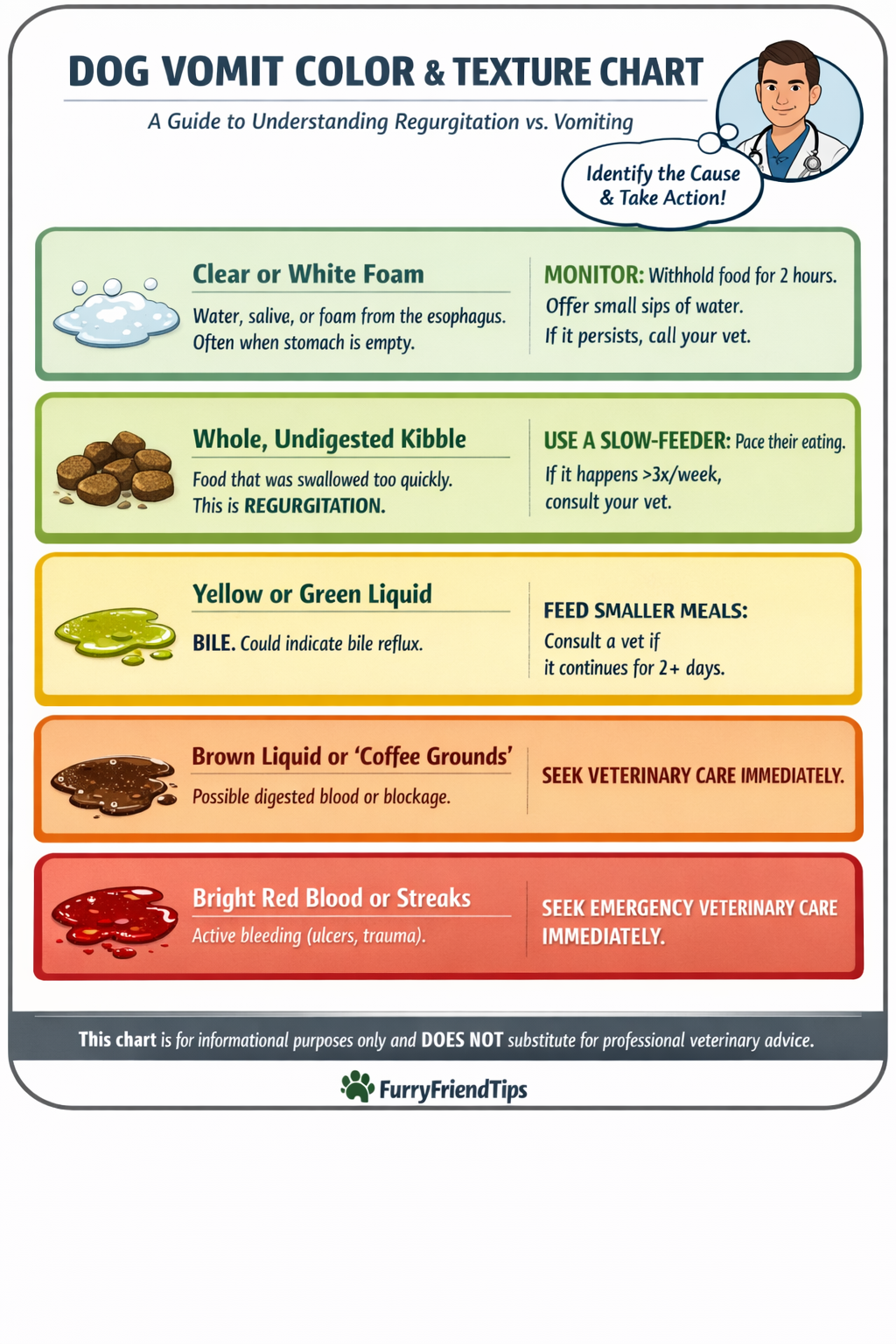
Vomiting undigested food is a common concern that affects nearly every dog owner at some point in their pet’s life. While often related to rapid eating habits, it can also signal underlying gastrointestinal distress that requires professional attention.
How to Identify if Your Dog Is Vomiting Undigested Food
Your dog is likely vomiting undigested food if the expelled matter retains the shape and texture of the kibble consumed within the last few hours. Unlike true vomiting, which involves active heaving and bile production, this occurrence is often classified as regurgitation. Regurgitation is a passive process where the food is expelled from the esophagus before it reaches the stomach. To assess your dog, observe the expulsion process: if the food appears whole and arrives without significant abdominal contractions, it is typically regurgitation. You can use the Body Condition Score (BCS) to monitor your dog’s overall health, but for immediate digestive issues, focus on the timing of the meal and the physical appearance of the expelled material. If the dog appears lethargic, displays a bloated abdomen, or continues to retch after the food is expelled, these are critical indicators that you should contact your veterinarian immediately for a diagnostic assessment.
Rapid Ingestion of Food
Rapid ingestion manifests as the dog consuming their entire meal in under 60 seconds, followed by the immediate expulsion of whole kibble pieces. This behavior is common in multi-dog households or among breeds with high food motivation. If your dog consistently eats too fast, their esophagus may become overstretched, triggering a reflex that pushes the food back out. If you observe this behavior more than twice a week, consult your veterinarian to discuss slow-feeder bowls or behavioral training techniques.
Esophageal Obstruction
An esophageal obstruction occurs when a foreign object or mass physically blocks the passage of food into the stomach. You may notice your dog repeatedly swallowing, extending their neck, or showing signs of distress while attempting to eat. If the obstruction is partial, the dog may successfully swallow liquids but regurgitate solid food immediately after consumption. If you suspect your dog has swallowed a non-food item, seek emergency veterinary care within 24 hours to prevent tissue damage.
Megaesophagus
Megaesophagus is a condition where the esophagus loses its muscle tone and fails to move food into the stomach effectively. This results in the dog regurgitating food shortly after eating, often accompanied by a nasal discharge or coughing. This condition is frequently diagnosed in puppies or older dogs and requires specialized management under veterinary supervision. If your dog exhibits persistent regurgitation despite changing feeding habits, consult your veterinarian for an X-ray or contrast study to rule out this condition.
Common Causes of Undigested Food Vomiting
The most frequent cause of this issue is behavioral, specifically rapid eating or “scarfing” food. According to the American Kennel Club, dogs that eat too quickly do not allow enough time for the esophagus to transport food to the stomach, leading to a physical rejection of the meal. Beyond behavioral factors, medical issues such as gastroesophageal reflux, esophageal strictures, or inflammatory conditions of the digestive tract can also contribute. Veterinary consensus suggests that while occasional regurgitation after a fast meal is manageable at home, chronic occurrences often point to structural abnormalities within the digestive system that require clinical imaging to diagnose. Dogs with sensitive stomachs are particularly prone to digestive upset, and switching to a gentler formula can sometimes reduce the frequency of these episodes significantly.
Risks and Long-Term Consequences
Chronic regurgitation poses significant health risks, primarily the potential for aspiration pneumonia. When food is regurgitated, there is a high risk that small particles may be inhaled into the lungs, leading to severe inflammation or infection. Furthermore, consistent regurgitation prevents the dog from absorbing essential nutrients, which can lead to unintended weight loss and muscle wasting. VCA Hospitals emphasizes that untreated esophageal issues can lead to chronic irritation of the esophageal lining, which may result in painful ulcers or scar tissue formation over time. Early intervention is necessary to prevent these secondary complications and ensure your dog maintains a healthy weight and nutritional status. It is also worth noting that dogs experiencing chronic digestive issues often develop secondary symptoms — if you are also noticing loose stools, our guide on why your dog has diarrhea covers the most common overlapping causes and when to seek urgent care.
Actionable Steps for Managing Digestive Issues
Start by slowing down your dog’s eating pace using a puzzle feeder or a slow-feed bowl designed to break up intake. Divide your dog’s daily caloric intake into four smaller meals instead of two large ones to reduce the volume of food in the esophagus at any given time. Ensure your dog remains calm and quiet for at least 30 minutes after eating to allow for proper digestion. If you notice the issue persists despite these adjustments, keep a detailed log of the frequency, the time of day, and the consistency of the expelled food. Present this log to your veterinarian during your appointment, as it will assist them in determining whether the issue is a simple behavioral habit or a more complex medical condition requiring medication or surgical intervention.
How do I know if my dog is overweight?
You can determine if your dog is overweight by feeling for their ribs, which should be palpable with minimal pressure. If you cannot feel the ribs through a light layer of fat, or if your dog lacks a visible waistline when viewed from above, they are likely carrying excess weight.
What are the signs of an obese dog?
Signs of an obese dog include a lack of a defined waist, a heavy layer of fat over the ribs and spine, and visible fat deposits around the base of the tail. These dogs may also exhibit decreased stamina, heavy panting during light exercise, and difficulty moving comfortably.
How do I help my dog lose weight?
Helping a dog lose weight involves a combination of portion-controlled meals and increased, low-impact physical activity. Consult your veterinarian to establish a target weight and transition to a nutrient-dense, lower-calorie diet that maintains muscle mass while reducing body fat.
RELATED READING
Ready to help your dog lose weight?
Our nutrition team evaluated 7 high-protein, vet-reviewed formulas. See which ones actually work for weight management in 2026.
By James Miller · April 2026 · Based on veterinary consultation, peer-reviewed research, and first-hand experience with my Maltese, Snowy. This article is for informational purposes only and does not substitute for professional veterinary advice.

About James Miller
Dog owner from Shanghai. Every article on FurryFriendTips is based on personal research — reading labels, tracking FDA recalls, consulting veterinary professionals, and testing food with my Maltese, Snowy. No sponsorships, no brand deals. Read my full story →
🐾 First-hand experience · Vet fact-checked · Updated weekly