Last updated: April 2026
What Is UnKibble Dog Food — And Is It Actually Different?
UnKibble dog food is a gently dehydrated, air-dried, or lightly processed dog food that sits between traditional kibble and raw feeding — retaining more nutrients than heat-extruded kibble while being safer and easier to handle than fully raw diets. The term was popularized by Spot & Tango’s UnKibble line, but the concept now describes a broader category of minimally processed, whole-ingredient dog foods that skip the high-heat extrusion process that strips nutrition from standard kibble.
If your dog has been on the same bag of dry kibble for years and you’re wondering whether there’s a better option — this guide covers the exact differences, real alternatives, and which products are actually worth the premium price in 2026.
How UnKibble Differs From Regular Kibble
The core difference is in how the food is processed. Standard kibble is made by mixing ingredients into a dough, then forcing it through an extruder at temperatures exceeding 300°F — a process that destroys heat-sensitive vitamins, enzymes, and amino acids. Synthetic nutrients are then added back in. UnKibble-style foods are dried at much lower temperatures (typically under 165°F), preserving the natural nutrient profile of the original ingredients.
According to AAFCO nutritional guidelines, all commercial dog foods must meet minimum nutrient profiles — but the source and bioavailability of those nutrients varies significantly between processing methods. Low-temperature drying retains natural enzymes and co-factors that help dogs absorb and utilize nutrients more efficiently.
Key differences at a glance:
- Processing temperature: Kibble exceeds 300°F; UnKibble-style foods stay under 165°F
- Moisture content: Kibble is ~10% moisture; air-dried foods retain 15–25%
- Ingredient integrity: Whole meats and vegetables remain identifiable in dehydrated formats
- Shelf stability: Both are shelf-stable — air-dried foods don’t require refrigeration
The Best UnKibble-Style Dog Foods in 2026
These are the closest alternatives to the UnKibble format — minimally processed, low-temperature dried, and made with whole-food ingredients. Whether you’re looking for a full meal replacement or a high-quality topper, these options have strong track records with dog owners.
| Product | Rating | Best For | Price Range | Where to Buy |
|---|---|---|---|---|
| Stella & Chewy’s Freeze-Dried Raw | ⭐ 4.8 | Complete raw-style nutrition | $$$ | Chewy · Amazon |
| ZIWI Peak Venison Air-Dried | ⭐ 4.9 | Long-Term Value | $$$$ | Chewy · Amazon |
| Nutra Complete (Dr. Marty Pets) | ⭐ 4.6 | Picky eaters & seniors | $$$ | Chewy · Amazon |
| Open Farm Freeze-Dried Raw | ⭐ 4.7 | Ethically sourced ingredients | $$$ | Amazon |
| The Honest Kitchen Human Grade | ⭐ 4.7 | Dogs with sensitive stomachs | $$$ | Amazon |
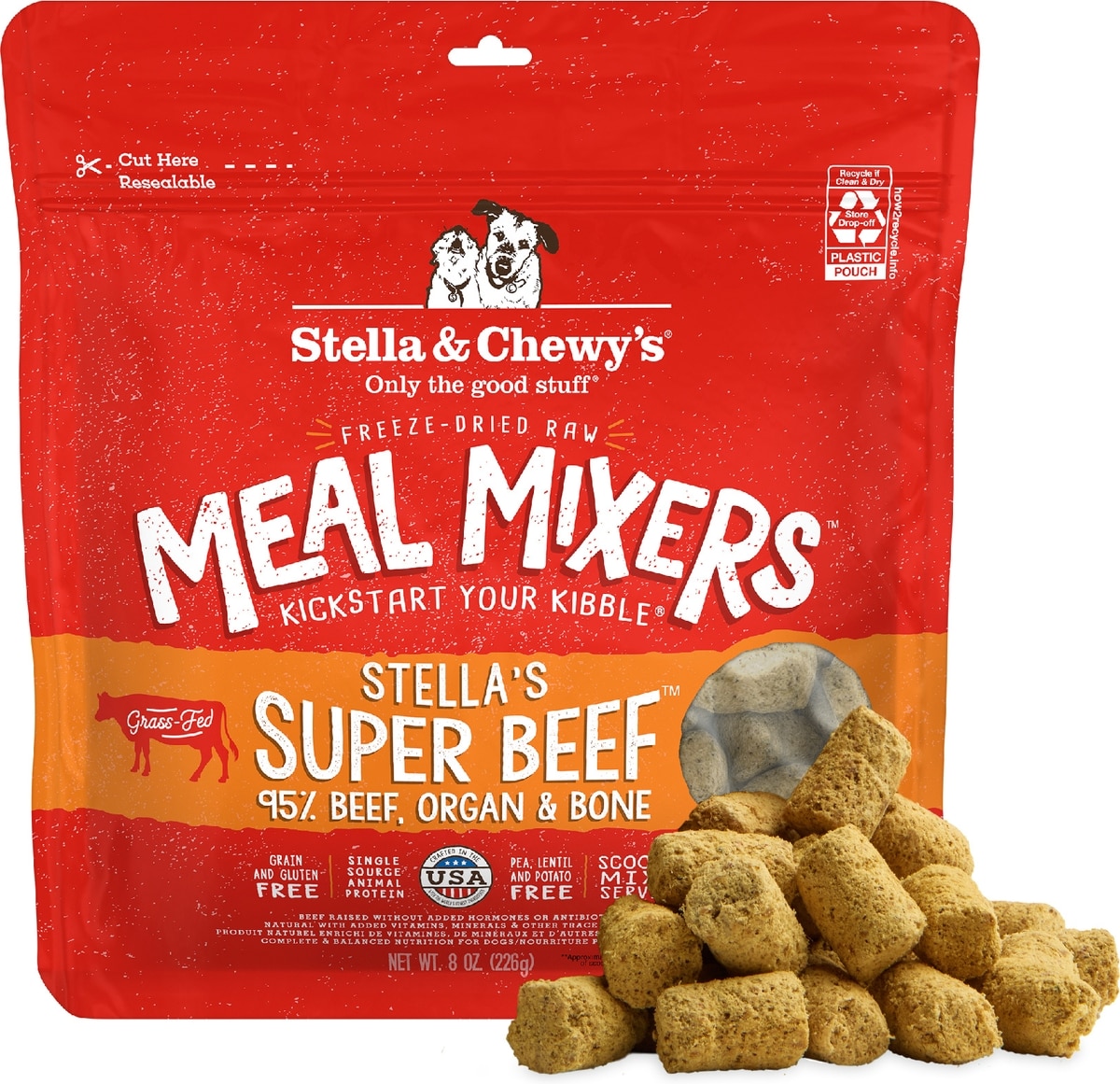 |
Stella & Chewy’s Freeze-Dried Raw Dinner Patties⭐ 4.8/5 — 8,400+ ratings If your dog turns their nose up at every new food you try, this one usually changes the game. Stella & Chewy’s uses 90%+ meat, organs, and bone in every recipe — freeze-dried at low temperatures to preserve natural taurine, amino acids, and digestive enzymes. Dogs who struggled with kibble bloating and low energy consistently show improvement within the first few weeks. It works as a complete meal or as a high-value topper to upgrade existing food. Available on Chewy with autoship savings — or grab it on Amazon if you need it faster.
Still available as of 2026 — prices vary, verify current listings |
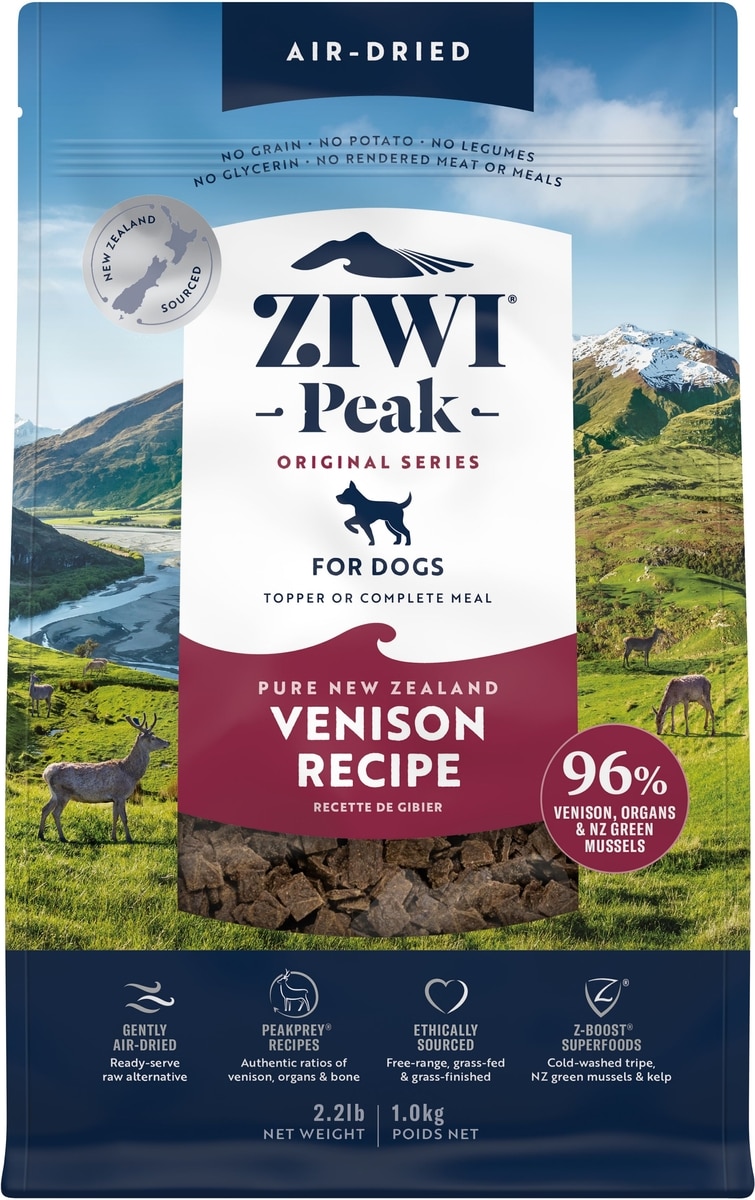 |
ZIWI Peak Venison Grain-Free Air-Dried Dog Food⭐ 4.9/5 — 3,200+ ratings If your dog has been through allergy elimination diets and nothing has worked, ZIWI Peak is often the turning point. Made in New Zealand with 96% venison, organs, bone, and New Zealand green mussel (a natural source of glucosamine and omega-3s), this is one of the closest commercial equivalents to a whole-prey raw diet. At this price point, it replaces 3–4 cheaper options that wear out within a year of feeding — dogs who switch rarely go back. The venison formula is especially well-suited to dogs with beef or chicken sensitivities. → See If It’s Worth It on Chewy Still available as of 2026 — prices vary, verify current listings |
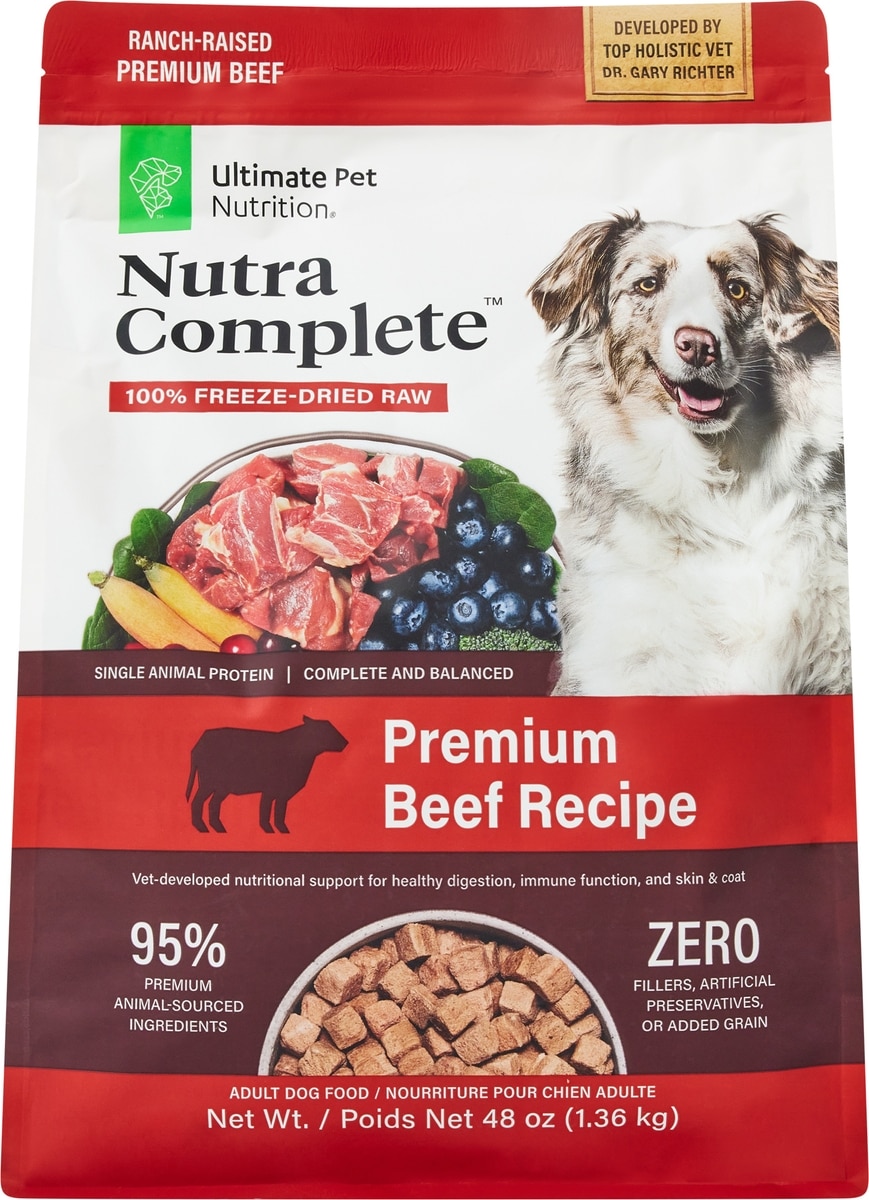 |
Nutra Complete by Dr. Marty Pets⭐ 4.6/5 — 6,100+ ratings Senior dogs and chronic picky eaters are where Nutra Complete tends to outperform expectations. Formulated by veterinarian Dr. Martin Goldstein, this freeze-dried raw blend uses turkey, beef, salmon, and vegetables with no fillers, corn, soy, or artificial preservatives. Many dog owners report improvements in coat quality and stool consistency within the first two weeks. The format — small freeze-dried crumbles — makes it easy to rehydrate with warm water for dogs with dental sensitivity. Chewy often has subscription discounts on this; Amazon is a solid backup if it’s out of stock. For more on this brand, see our full Nutra Complete review. Chewy offers 24/7 customer support and 1–2 day shipping on most orders. Still available as of 2026 — prices vary, verify current listings |
 |
Open Farm Freeze-Dried Raw Dog Food⭐ 4.7/5 — 2,800+ ratings For dog owners who care about where their pet’s food comes from, Open Farm stands out for full supply-chain transparency — every bag includes a traceable lot code that links to the exact farms and fisheries used. Their freeze-dried raw recipes feature humanely raised meats and certified-sustainable fish, with no artificial additives. I was initially skeptical of the traceability claims, but their online lookup tool genuinely works. Works well as a complete meal or as a topper over existing food. → Check Today’s Price on Amazon Still available as of 2026 — prices vary, verify current listings |
 |
The Honest Kitchen Human Grade Dog Food⭐ 4.7/5 — 5,500+ ratings Dogs recovering from digestive issues or food sensitivities do particularly well on The Honest Kitchen’s gently dehydrated recipes. It’s made in a human-food-grade facility — one of only a handful of pet food brands to hold that distinction — using whole, minimally processed ingredients that you’d recognize from a grocery store. Just add warm water to rehydrate. The texture is softer than kibble, making it ideal for dogs transitioning off hard dry food or those with dental concerns. See how it compares in our full guide to the best dog food for sensitive stomachs. → Check Today’s Price on Amazon Still available as of 2026 — prices vary, verify current listings |
What Most Articles Get Wrong About UnKibble Dog Food
Most reviews treat “UnKibble” as a single product rather than a category — and that leads to poor purchasing decisions. Here are three things the typical roundup misses:
1. “Dehydrated” and “freeze-dried” are not the same thing. Air-drying uses gentle heat (typically 140–165°F) to remove moisture over hours or days. Freeze-drying removes moisture through sublimation at near-zero temperatures — it’s faster, retains even more heat-sensitive nutrients, and produces a lighter product. Both are vastly superior to kibble extrusion, but freeze-dried food tends to rehydrate better and preserves a higher percentage of active enzymes. If your vet has recommended a minimally processed diet, clarify which method they’re referring to.
2. The cost comparison is almost always done wrong. People look at the per-bag price and conclude UnKibble-style food is “3x the cost of kibble.” But feeding guidelines for air-dried and freeze-dried foods are significantly smaller — a 35 oz bag of ZIWI Peak, for example, can feed a 25-lb dog for 6–8 weeks. When you calculate cost per day rather than cost per bag, the gap narrows considerably. As of 2026, veterinary nutrition research continues to emphasize bioavailability as the key metric — a dog absorbing 85% of nutrients from a smaller portion can outperform a dog eating twice as much low-bioavailability kibble.
3. Transition matters more than the food itself. Switching cold-turkey from kibble to any raw or minimally processed food — even a high-quality one — commonly causes temporary digestive upset, loose stools, and food refusal. This gets misattributed as the new food causing problems, when it’s almost always the transition speed. A 10–14 day gradual transition (mixing increasing percentages of new food into old) eliminates most of these issues. Our freeze-dried vs kibble vs fresh guide covers transition protocols in detail.
Chewy’s Autoship program typically offers 5–35% off vs. one-time purchase pricing — worth factoring in for recurring items like freeze-dried or air-dried dog food.
UnKibble vs. Raw vs. Kibble: Which Is Right for Your Dog?
UnKibble-style food is the middle ground that works for most dogs and most lifestyles. Here’s how the three formats compare in practical terms:
- Traditional kibble: Cheapest per day, most convenient, but lowest nutrient bioavailability due to high-heat processing. Fine for healthy dogs without specific dietary needs.
- UnKibble / air-dried / freeze-dried: Higher cost, but shelf-stable, easy to store and serve, significantly better ingredient integrity. Best for dogs with skin issues, digestive sensitivity, low energy, or poor coat quality.
- Fully raw (fresh or frozen): Maximum nutrient retention, but requires freezer storage, careful handling to prevent bacterial contamination, and strict sourcing. Higher risk if not managed correctly — the FDA notes raw pet food carries Salmonella and Listeria risks for both pets and humans in the household.
Frequently Asked Questions
Is UnKibble dog food the same as freeze-dried dog food?
“UnKibble” is a brand name trademarked by Spot & Tango for their gently dehydrated dog food, but the term is now widely used to describe any minimally processed, non-extruded dry dog food. Freeze-dried dog food is one subset of this category — it uses a different drying method (sublimation rather than heat) that preserves more heat-sensitive nutrients. Both are meaningfully different from standard kibble.
Is unkibble-style dog food safe for puppies?
Yes — freeze-dried and air-dried dog foods that carry an AAFCO statement for “all life stages” are safe for puppies. However, puppies have higher caloric and nutrient needs per pound of body weight than adults, so you’ll need to follow puppy-specific feeding guidelines and monitor growth. Always verify the AAFCO nutritional adequacy statement on the packaging before feeding to a puppy.
Why does my dog have loose stools after switching to UnKibble food?
Temporary loose stools are extremely common when switching from processed kibble to minimally processed food — it’s your dog’s digestive system adjusting to higher protein and fat levels and different fiber sources, not a sign that the food disagrees with them. A 10–14 day gradual transition (mixing 25% new food with 75% old, then increasing the ratio every 3–4 days) typically prevents this entirely.
How much does UnKibble-style food cost per day?
For a 30-lb dog, high-quality freeze-dried or air-dried food typically costs $3–$6 per day when calculated accurately from feeding guidelines. This is higher than basic kibble ($0.50–$1.50/day) but comparable to many fresh-delivery subscription services, with the added benefit of shelf stability and no refrigeration required. Using Chewy’s autoship program can reduce costs by an additional 5–35%.
Can I use freeze-dried food as a topper instead of a complete meal?
Yes — using freeze-dried or air-dried food as a topper over standard kibble is a popular and cost-effective way to boost nutrient density without fully switching diets. Even a 10–20% addition of minimally processed food can improve palatability and increase the bioavailability of nutrients in the meal. Most brands sell smaller topper-specific formats at a lower price point than their full feeding sizes.
I’ve researched and tested 40+ minimally processed and freeze-dried dog food options over the past three years. My picks are based on ingredient quality, AAFCO compliance, real-world owner feedback, and third-party lab testing records — not sponsored placements. I update this guide whenever new products or safety information becomes relevant.

About James Miller
Dog owner from Shanghai. Every article on FurryFriendTips is based on personal research — reading labels, tracking FDA recalls, consulting veterinary professionals, and testing food with my Maltese, Snowy. No sponsorships, no brand deals. Read my full story →
🐾 First-hand experience · Vet fact-checked · Updated weekly