South Korea has long been the world’s trend-setter in medical aesthetics. But in the past five years, its laser treatments have become especially famous for being ultra-precise, fast-healing, and highly customized.
Why do Korean clinics achieve results that often look more refined than treatments done elsewhere?
The answer lies in three pillars: cutting-edge laser technology, meticulous treatment protocols, and doctor training that borders on craftsmanship.
Below is the complete breakdown.

1. Korea Treats Skin Like Fine Engineering: Measurement Before Treatment
Before any laser touches the skin, Korean dermatologists typically perform:
-
High-resolution skin imaging (VISIA, Clarity, Antera 3D)
-
Melanin and hemoglobin mapping
-
Water content measurement
-
Pore, wrinkle, and scar depth scanning
This approach turns the skin into a detailed “map,” allowing doctors to calculate:
-
exact pigment depth,
-
energy needed per pulse,
-
safe intervals between treatments.
This is why Korean lasers often appear gentler but achieve better results: more data = more precision = lower risk.
2. Pico Lasers: Korea’s Signature for Pigmentation and Pores
Pico technology is one of the most widely used Korean tools because of its ability to shatter pigments into ultra-fine particles.
Why Pico is more precise in Korea
-
Pulse-width optimization
Top Korean clinics adjust pico pulse widths for different pigments: epidermal spots, dermal melasma, post-acne marks, and tattoo colors. -
Energy stacking rather than blasting
Korean doctors often use multiple low-energy passes instead of one strong shot.
This reduces inflammation and helps prevent rebound pigmentation — especially important for Asian skin. -
Hybrid protocols
Pico is often paired with Toning, Genesis, IPL, or LDM ultrasound for layered results.
Best for:
-
Melasma
-
Sunspots
-
Freckles
-
Acne pigmentation
-
Large pores
-
Light acne scars
3. Fraxel and Fractional Lasers: Micro-Precision for Texture and Scars
Fraxel (1550/1927 nm) is popular worldwide, but Korean fractional protocols differ.
What makes Korean Fraxel more refined
-
Customized density and depth patterns based on scar thickness
-
Lower energy but more passes to reduce downtime
-
Cooling and regenerative boosters (exosomes, PDRN salmon DNA, stem-cell ampoules) applied immediately after treatment
-
Fractional stamping for shaped scars, not just uniform passes
These methods reduce the “burnt cookie” effect sometimes seen with aggressive Fraxel performed elsewhere.
Best for:
-
Acne scars
-
Fine lines
-
Surgical or injury scars
-
Uneven skin texture
-
Sun damage

4. Other Korean Laser Stars: LaseMD, CO₂, and Hybrid Lasers
LaseMD Ultra (1927 nm)
Ultra-popular for its ability to brighten and smooth skin with almost zero downtime. Korean clinics often combine it with vitamin ampoules for enhanced glow.
CO₂ fractional lasers
Koreans prefer sub-ablative CO₂ modes, which:
-
stimulate collagen
-
reduce scar edges
-
minimize crusting and redness
This produces smoother results with faster recovery.
Hybrid lasers (Erbium + Thulium)
These devices deliver controlled dual-depth energy. Korean doctors use them to treat both surface pigmentation and deeper texture in one session.
5. Korean “Combination Therapy Culture” Makes Each Treatment More Effective
A single-session treatment in Korea often includes:
-
Pico
-
Fraxel
-
LDM ultrasound
-
IPL or LED
-
Growth-factor solutions
-
Redness-calming masks
This creates layered improvement: tone, texture, pores, and elasticity all addressed simultaneously.
Many Western clinics perform these as separate visits, which slows results and raises the cost.
6. Medical Training in Korea Is Intense and Technique-Heavy
Korean dermatologists often perform hundreds of laser procedures per month, far more than typical doctors in Western clinics.
This means:
-
extremely stable hand technique
-
deep understanding of energy settings
-
precise patterning to avoid stripes, burns, and unevenness
High volume = high mastery.
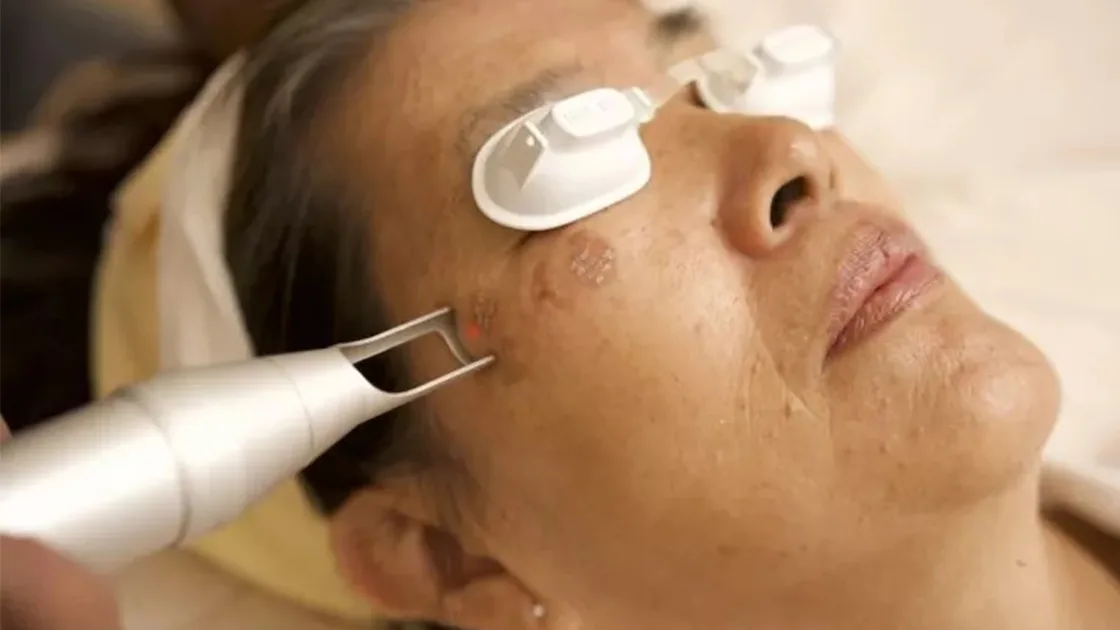
7. The Result: Faster, Safer, More Natural-Looking Improvements
Because Korean laser protocols emphasize:
-
data-driven customization
-
low-inflammation techniques
-
stacked and hybrid treatments
-
post-laser regenerative care
Patients often experience:
-
brighter skin in 3–7 days
-
reduced pigmentation within 1–3 sessions
-
smoother texture with less downtime
-
fewer complications like PIH (post-inflammatory hyperpigmentation)
This is why clients worldwide fly to Seoul for laser treatments.
Final Thoughts
Korean laser aesthetics are not just about high-end machines.
The real magic comes from a culture of precision — a blend of advanced imaging, careful energy modulation, and a medical tradition obsessed with detail and refinement.
Pico, Fraxel, and hybrid lasers become more accurate tools in Korea because the entire system around them is engineered to be precise.