In 2025, the U.S. is witnessing what many in the pet‑industry are calling “the cat era” — a remarkable surge in feline adoption, multi‑cat households, and deeper owner‑cat relationships. The recent American Pet Products Association (APPA) 2025 Dog & Cat Report reveals that cat ownership jumped 23% in 2024, reaching 49 million U.S. households, up from 40 million in 2023.
Even more noteworthy: households with three or more cats have grown by 36% since 2018, while single‑cat households have dropped.

This trend isn’t just about more people having cats—it’s about how pet families are evolving. Below we explore what’s driving multicat homes, what it means for cat care and the pet industry, and how owners can navigate this new landscape.
1. What’s Happening: The Numbers & Key Shifts
-
Single‑cat households have declined from 64% in 2018 to 58% in 2024.
-
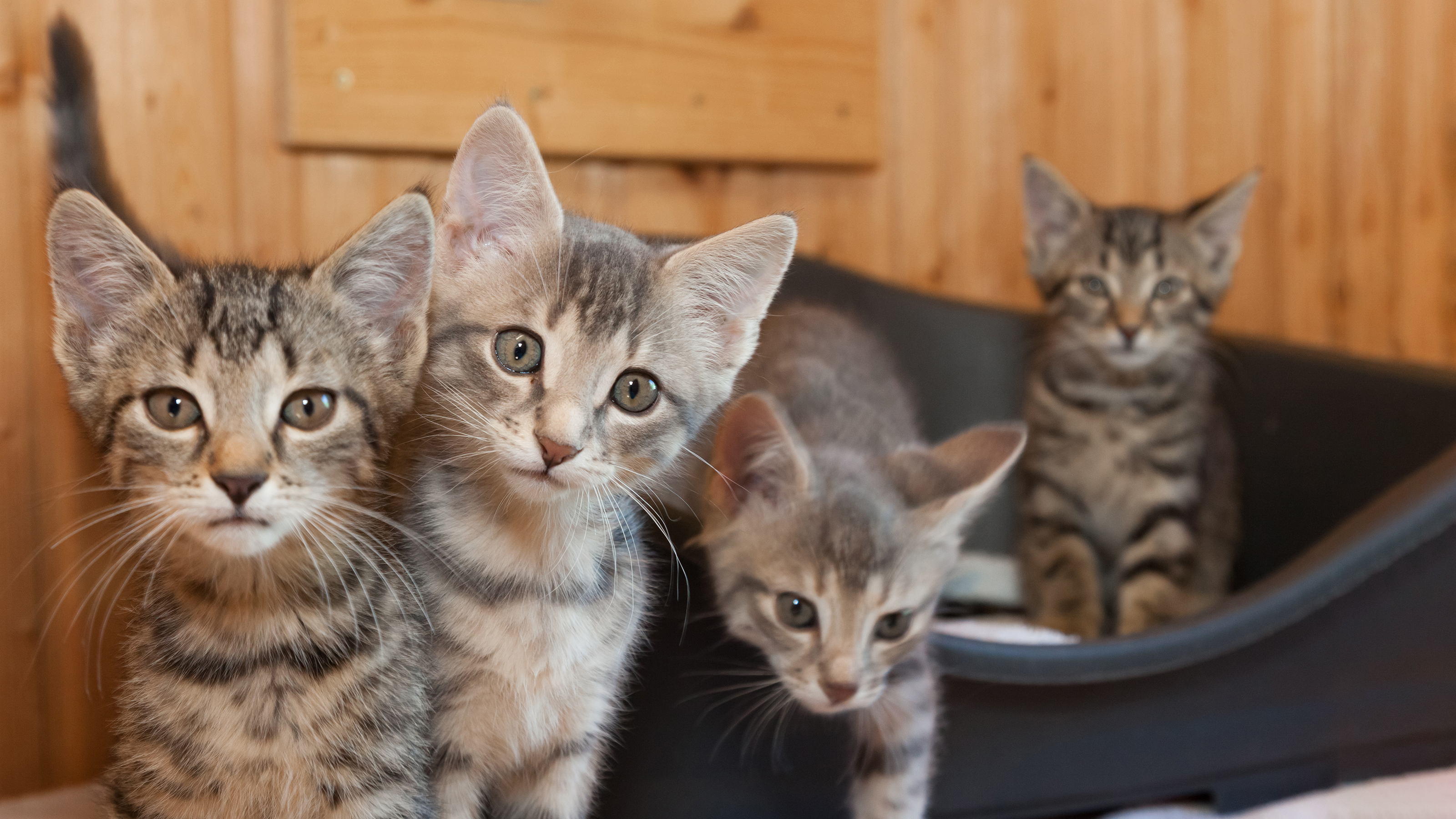
Households with two cats increased by about 8% from 2018, and those with three or more cats increased by 36% in that same span.
-
The average number of cats per cat‑owning household is now around 1.8 cats.
-
The rise in cat ownership is driven strongly by younger generations—particularly Millennials and Gen Z men (“cat dads”) who are overturning stereotypes of cat ownership.
These data indicate that cats are no longer just solo companions—they’re part of multi‑pet households, integrated lifestyles, and companion‑rich environments.
2. Why Are Multi‑Cat Households Increasing?
Several contributing factors explain why more families are choosing two, three or more cats:
A. Urban and Lifestyle Factors
Cats remain highly compatible with smaller living spaces such as apartments, condos and shared housing—settings increasingly common among younger pet owners. Their more compact size, lower exercise demands (compared to many dogs) and independent nature make them an attractive option.
B. Emotional & Social Trends
Many pet owners today view cats as full family members rather than accessory pets. The APPA report noted owners are investing more in harnesses, training, enrichment, parties and thematic merchandise for their cats.
When one cat becomes a companion, the logic of adding a second (or third) often follows: more interaction, play, socialization for the pets—and more joy for the owners.
C. Heightened Affordability & Access
Adoption of cats has become more accessible, shelters and rescue organizations have expanded, and the cost of young cats (especially mixed breeds) may be lower relative to many pure‑bred dogs. This lowers the barrier to adding more than one feline companion.
D. The “Cat Dad” Factor
A cultural shift is underway: younger men (Millennials and Gen Z) are adopting cats at higher rates, reshaping previous gender stereotypes around cat ownership.
As these new owners bring cats into their homes, they often expand their feline families.

3. What Multi‑Cat Households Mean for Care & Investment
With more cats in a single household, responsibilities and expenditures shift. Some key implications:
-
Nutrition & litter volume increase: More cats mean higher food and litter consumption. Households with three or more cats will face bulk‑buying, higher recurring spend, and possibly different brand/pack size considerations.
-
Space & environmental enrichment matters: Multi‑cat homes need more resources—multiple feeding stations, litter boxes (the “n+1” rule: one per cat plus one), vertical space/climbing structures and perhaps separate zones for shy vs. sociable felines.
-
Inter‑cat dynamics & behavior: More cats in a space increase the potential for territorial or stress‑related issues. Recent research shows that introducing new cats can yield varied results unless properly managed.
-
Veterinary care & wellness: Multiple cats mean more frequent vet visits, vaccinations and perhaps higher aggregate health‑spend; owners are increasingly engaging in proactive wellness for cats (vitamins, enrichment, training etc.).
-
Services & product demand evolve: Industry players are responding—multi‑pack food offerings, litter subscription services, cat‑specific enrichment toys, collars/harnesses for cats, and cat‑centric sitters and boarding services.
4. Drivers Behind the Trend: Generations, Digital & Lifestyle Integration
Millennials and Gen Z
These demographics are fueling the growth in cat ownership and multi‑cat homes. They value experiences, lifestyle integration and “pets as family.” Many live in urban or rented dwellings where cats are more practical. They also embrace e‑commerce, subscription pet services and premium pet care models.
Digital Culture & Social Media
Cats dominate social media. The rise of cat content (Instagram, TikTok) fuels interest in unique behaviors, multiple pets in the home and sharing life with feline companions. Owners may adopt additional cats to enhance the social‑media‑worthy pet environment.
Human‑Pet Bond Intensification
The APPA report highlights that cat owners are increasingly participating in “pet birthdays,” themed merchandise and training—evidence of stronger bonds.
With deeper engagement, increasing the number of cats becomes part of the lifestyle.
Economics of Scale
Once the fixed costs of setting up for one cat are incurred (litter area, scratching post, etc.), adding a second pet may appear relatively marginal in cost. This makes multi‑cat households more attainable than many assume.
5. Challenges & Considerations in the Multi‑Cat Home
While the trend offers many benefits, multi‑cat ownership also comes with unique considerations for owners:
-
Initial cost and ongoing spend: More cats = more food, more health checks, more accessories. Owners must budget accordingly.
-
Behavioral stress and resource competition: Without adequate space and enrichment, cats may show conflict, litter‑box avoidance or stress‑related illness. Introducing cats gradually and providing separate resources helps mitigate this.
-
Veterinary wellness planning: With multiple cats, scheduling consistent preventive care, vaccinations and vet visits becomes more complex.
-
Housing and lease/pet rules: Some rental properties limit the number of pets—owners adding a second or third cat must verify rules.
-
Disease transmission: More pets in one home may increase risk of communicable feline diseases (like FIV, FeLV, upper‑respiratory infections) so proper vaccination and isolation protocols are important.
6. What Industry & Pet Services Are Doing in Response
The industry has recognized the shift and is adapting in multiple ways:
-
Product bundling & subscription models: Bulk food, multi‑cat litter packs, auto‑delivery subscriptions—designed for multi‑cat households.
-
Cat‑specific services & enrichment: Professional pet‑sitters, cat‑only boarding, training gear (harnesses, leashes) tailored to active cat owners.
-
Marketing to new owner profiles: The “cat dad,” urban owner and Gen Z/kind adopters are increasingly targeted in campaigns.
-
Wellness & enrichment categories: Supplements, mixers/toppers, training equipment and interactive toys geared toward cat households that want engagement beyond basic care.
For brands, the message is clear: multi‑cat households represent higher lifetime value, more frequent purchases and new lifestyle demands.
7. Owner Tips for Multi‑Cat Success
If you’re considering adding a second or third cat, or already managing a multi‑cat household, here are practical guidelines:
1. Plan resources in advance
Ensure you have enough litter‑boxes (one per cat plus one extra), food stations spaced apart, vertical climbing areas, hiding spots and separate resting zones.
2. Introduce gradually
Follow gradual introduction protocols: scent swapping, visual separation, supervised interactions, gradual shared space—this reduces stress and aggression. Recent research shows half of owners allow immediate meetings, half use gradual introduction—with varying outcomes.
3. Monitor behavior and health
Watch for signs of stress: hiding, decreased appetite, improper elimination or conflict. Multi‑cat homes may hide subtle stress if space is tight.
4. Choose brands and services that cater to multi‑cat needs
Look into bulk/bundle food plans, litter subscription services and pet‑sitter or boarding businesses experienced in managing multiple felines.
5. Budget proactively
More cats = more recurring costs for food, health care and maintenance. Build a pet budget accordingly.
6. Keep enrichment and engagement high
More cats doesn’t mean “cats entertain each other completely.” Each pet still needs stimulation, play sessions and human interaction. Multi‑cat homes that skimp on enrichment risk higher stress.
8. Final Thought: The Feline Moment Is Here
As the data show, 2025 is the moment when cats are firmly taking the stage—and multi‑cat households are a big part of why. With younger owners, shifting lifestyles, urban living and a deeper bond between humans and their cats, the pet ecosystem is evolving.
For industry players, this is a roadmap: innovation in multi‑cat products, services, enrichment and marketing will be key. For pet owners, it’s about mindful care: more pets can mean more joy—but also more responsibility.
In short: the cat era is not just arriving—it’s multiplying. And whether you’re a one‑cat household or a thriving feline family, the rules of cat ownership are changing. Embrace that change, equip your home and mind your resources—and you’ll be part of one of the most dynamic shifts in pet‑ownership history.