📅 Last updated: March 2026
My golden retriever Max had been “a little off” for weeks — soft stools every other day, a dull coat, less enthusiasm for breakfast. My vet ran bloodwork. Everything came back normal. Her verdict: “His gut microbiome is probably out of balance. Start with diet and a quality probiotic.”
I’ll be honest — I rolled my eyes a little. “Gut health” sounded like influencer talk. But three months later, after going deep into the research and trying multiple products, Max’s digestion is firm, his coat is back to its old shine, and he wakes me up at 6am demanding his walk again.
Here’s everything I learned — including the two supplements that actually made a difference, and the things most articles won’t tell you.
Why Gut Health for Dogs Is About More Than Digestion
Your dog’s gut is home to trillions of microorganisms — bacteria, fungi, and protozoa — collectively called the gut microbiome. According to peer-reviewed research on PubMed, this microbial community performs four essential functions: protecting the intestinal barrier, processing nutrients, regulating metabolism, and calibrating the immune system. About 70% of your dog’s immune cells live in the gut — which means gut health is immune health.
When that balance breaks down — a state called dysbiosis — the consequences ripple outward. A 2025 review in Veterinary Sciences linked gut dysbiosis in dogs to inflammatory bowel disease, recurring skin allergies, anxiety, obesity, and increased susceptibility to infection. The gut-brain axis runs in both directions: a disturbed microbiome doesn’t just cause stomach problems, it can worsen your dog’s anxiety and mood. Canadian veterinary researchers at the University of Guelph are currently studying how specific probiotic strains affect canine emotional wellbeing — a finding that is reshaping behavioral treatment in 2026.
If your dog seems “off” in ways that don’t show up on blood tests, the gut is often the first place worth looking. For dogs with recurring digestive issues alongside food sensitivities, it’s also worth reading our guide on best dog food for sensitive stomachs — diet and probiotics work best together.
Warning Signs Your Dog’s Gut Is Struggling
Dogs mask discomfort well. These are the signals most owners attribute to “just how my dog is” — but which often trace back to microbiome imbalance:
- 🐾 Chronic soft stools or intermittent diarrhea — not always diet-related; often a microbiome signal
- 🐾 Excessive gas or bloating — daily gas is not normal, even in large breeds
- 🐾 Dull coat or recurring skin issues — gut inflammation frequently surfaces through the skin first
- 🐾 Increased anxiety or mood changes — the gut-brain axis runs both directions
- 🐾 Low energy and reduced appetite — poor nutrient absorption leaves dogs running on empty
- 🐾 Excessive surface licking or grass eating — a classic sign of gastrointestinal discomfort
Max showed four of these six. I had chalked the gas and surface-licking up to personality. Turns out they were the gut talking.
What Actually Works: Probiotics, Prebiotics, and Diet
Probiotics are live beneficial bacteria — primarily Lactobacillus and Bifidobacterium strains — that colonize the gut and crowd out harmful organisms. A comprehensive 2025 review published in MDPI Veterinary Sciences confirmed that probiotic supplementation supports gut barrier integrity, reduces diarrhea and gastrointestinal inflammation, enhances immune response via increased secretory IgA production, and improves nutrient absorption. The same review identified microencapsulation as the key technology to look for — it protects live bacteria through processing, storage, and the acidic journey through the stomach, so they actually reach the intestines alive.
Prebiotics are the fiber that feeds those beneficial bacteria. Without prebiotics, probiotic bacteria don’t survive long enough to establish themselves. The best gut health supplements combine both — a formulation called a synbiotic.
Diet matters most of all. According to AAFCO’s nutritional standards for complete dog foods, a diet with adequate fiber, limited artificial additives, and appropriate protein quality forms the foundation that no supplement can replace. Probiotics work best as a complement to a clean diet — not a rescue for a poor one.
What to look for on the label:
- CFU count of at least 1–5 billion per dose (therapeutic ranges start at 7.5 billion for active GI issues)
- Named strains — not just “probiotic blend” — so you know what you’re getting
- Microencapsulated or shelf-stable formulas that don’t require refrigeration
- NASC Quality Seal or equivalent third-party verification
Results typically take 4–7 days for stool improvement, and 4–6 weeks for full microbiome establishment — so consistency matters more than anything else.
Best Gut Health Supplements for Dogs in 2026
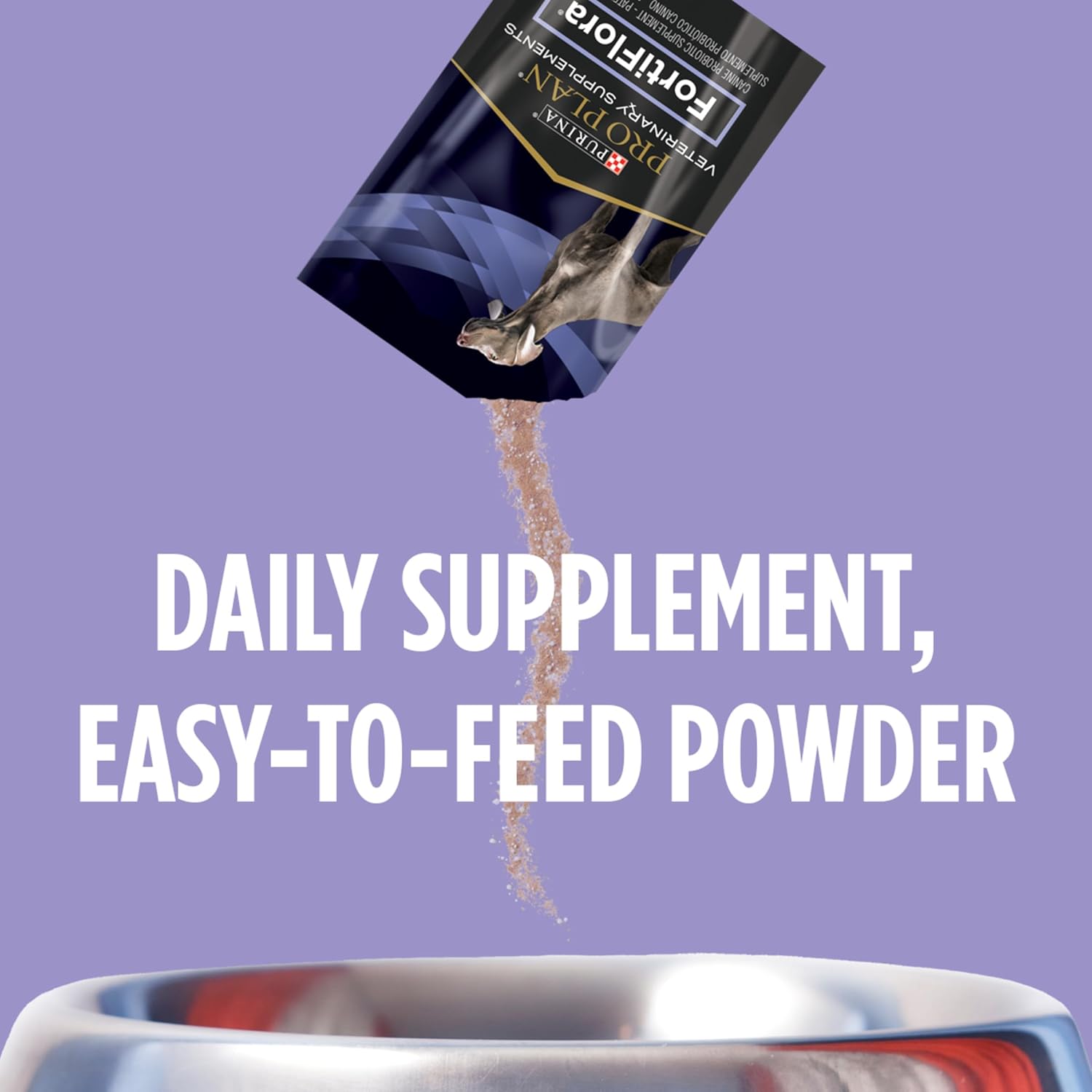
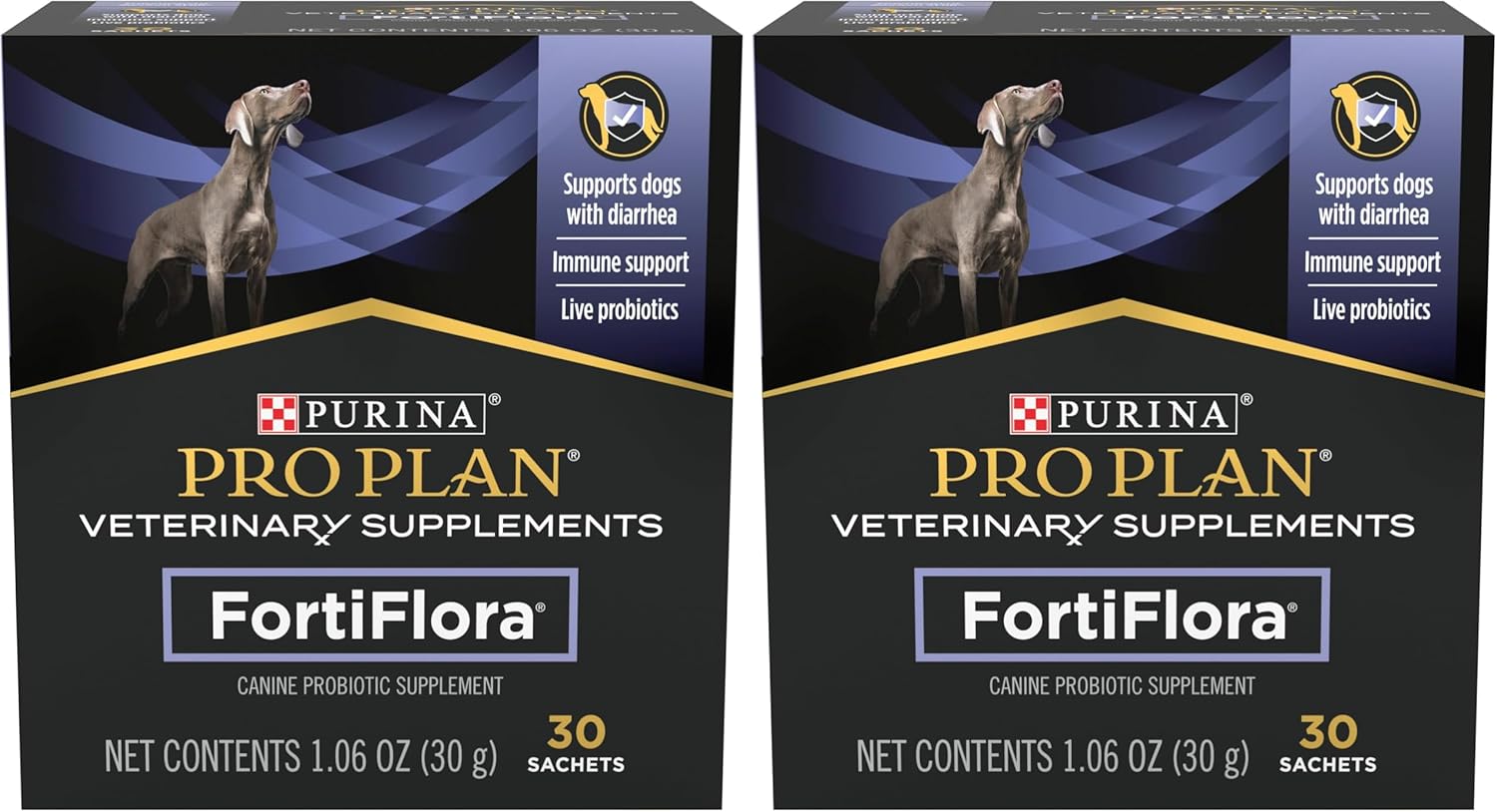
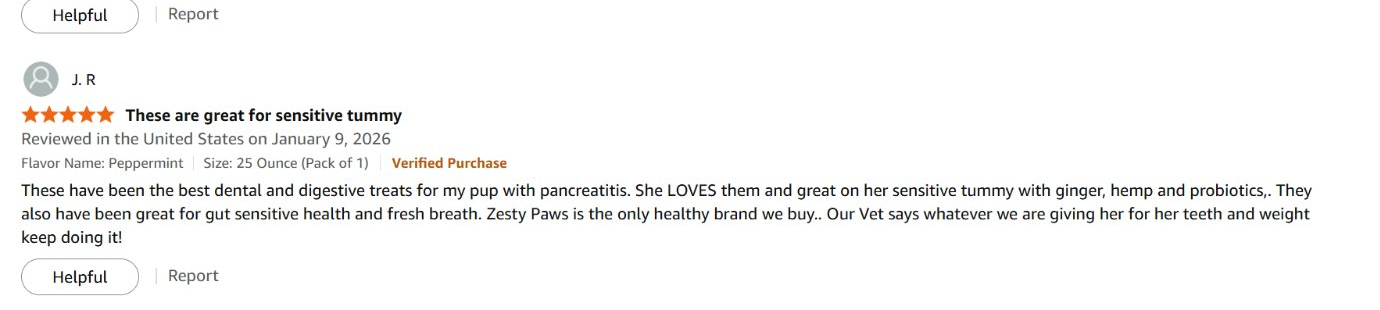



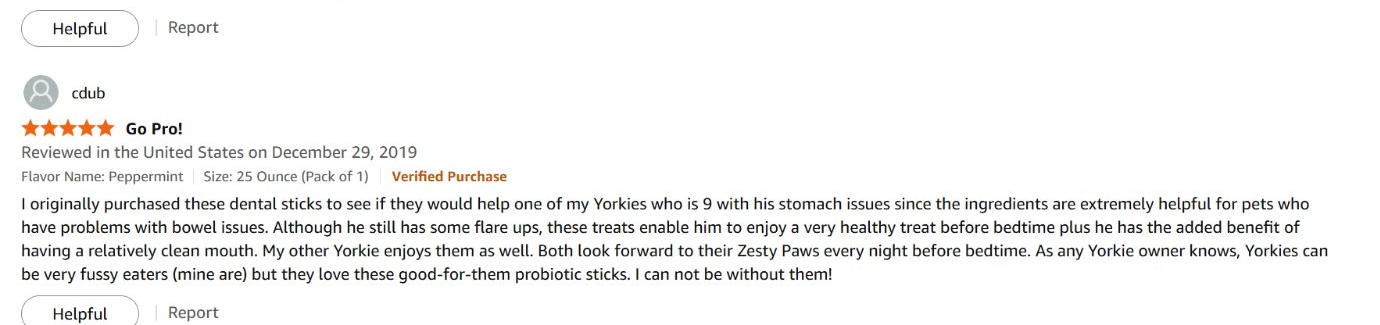

Quick Comparison: Which One Is Right for Your Dog?
| Pick #1 — Synbiotic Formula | Pick #2 — Enzyme + Probiotic | |
|---|---|---|
| Best use case | Daily maintenance & long-term gut balance | Acute issues, post-antibiotics, IBD flares |
| Speed of results | 4–7 days (stool), 4–6 weeks (full effect) | 48–72 hours for acute relief |
| Includes prebiotics | ✅ Yes | Varies — check label |
| Includes enzymes | ❌ No | ✅ Yes — key differentiator |
| Budget friendliness | More affordable per day | Premium — higher cost per dose |
What Most Articles Get Wrong About Gut Health for Dogs
💬 From the r/dogs community — real dog owners asking the same questions
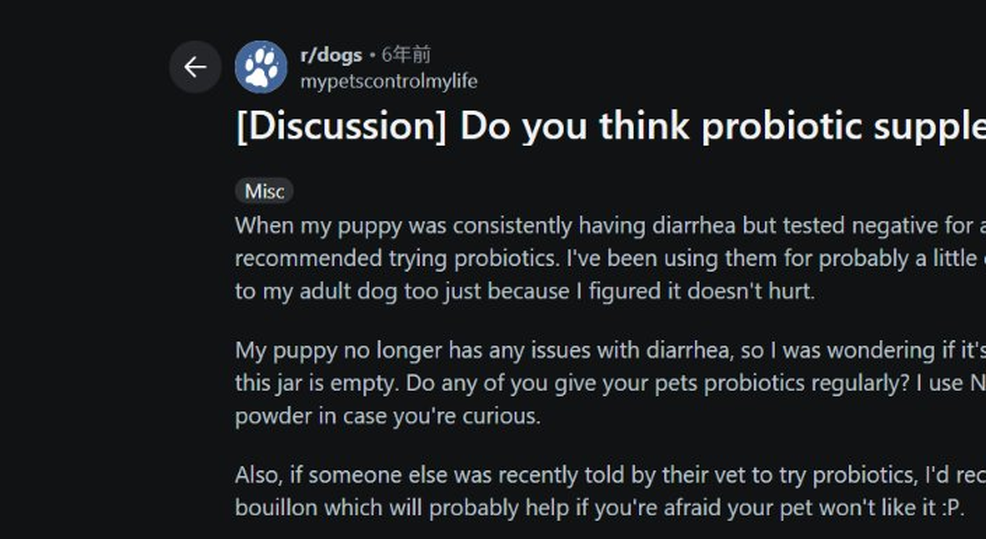
Source: r/dogs on Reddit (840k members)
❌ “More CFU = better probiotic”
CFU count is meaningless without strain specificity. A product with 50 billion CFU of a single, poorly researched strain will underperform a 5 billion CFU formula with three clinically validated strains. The research is clear: which strains matter far more than how many bacteria. Always look for named strains on the label — if it just says “probiotic blend,” walk away.
❌ “Refrigerated probiotics are always more effective”
This is one of the most persistent myths in the category. Refrigeration preserves some strains — but a probiotic that requires refrigeration and gets stored incorrectly at any point in the supply chain (which happens more often than brands admit) is useless by the time it reaches your dog’s bowl. Microencapsulated, shelf-stable formulas are now the gold standard precisely because they survive both storage and the stomach’s acid environment.
❌ “Probiotics are just for dogs with stomach problems”
This framing is outdated. Since 70% of canine immune function lives in the gut, probiotic supplementation affects allergy response, skin barrier health, anxiety regulation via the gut-brain axis, and even vaccine response. Max didn’t have “stomach problems” by any obvious measure — yet his coat, energy, and mood all improved with gut support. Gut health for dogs is whole-body health.
Building a Complete Gut Health Routine for Your Dog in 2026
Supplements are the shortcut. Diet is the foundation. Here’s the order of operations that actually works:
1. Audit the food first. Ultra-processed kibble with artificial preservatives and fillers actively disrupts the microbiome. If you’re feeding a budget grocery store brand, no probiotic will fully compensate. Look for foods that meet AAFCO’s “complete and balanced” nutritional standards with named protein sources and limited ingredient lists. For dogs already on a good diet but still struggling, our breakdown of grain-free vs grain-inclusive dog food covers how carbohydrate sources affect gut bacteria specifically.
2. Add fiber intentionally. Plain canned pumpkin (not pie filling), cooked sweet potato, or a teaspoon of psyllium husk added to meals acts as natural prebiotic fuel for beneficial gut bacteria. Start small — too much fiber too fast causes the exact gas problems you’re trying to solve.
3. Choose a supplement matched to your dog’s situation. Maintenance and general wellness: go with the synbiotic formula (Pick #1). Active GI disruption, post-antibiotics, or IBD management: go with the enzyme-probiotic blend (Pick #2). Run both for 4–6 weeks before evaluating results.
4. Reduce unnecessary antibiotic exposure. Every course of antibiotics significantly disrupts the gut microbiome and increases recovery time. Ask your vet whether antibiotics are truly necessary, and always pair them with a probiotic supplement when they are. A January 2026 pilot study in Frontiers in Veterinary Science confirmed that novel probiotic administration alongside antibiotic treatment meaningfully reduces microbiome disruption and recovery time in dogs.
Frequently Asked Questions
How long does it take for probiotics to work in dogs?
Most owners see stool consistency improve within 4–7 days of consistent use. Full microbiome establishment — where you notice coat, energy, and immune improvements — typically takes 4–6 weeks. Enzyme-probiotic combination formulas tend to produce faster acute relief (48–72 hours) than standalone probiotic products. Consistency matters more than dosage: skipping days resets the process.
Can I give my dog human probiotics?
In a pinch, plain unsweetened yogurt or kefir provides live cultures and is generally safe. However, human probiotic supplements use strains selected for the human gut — not the canine gut. Dog-specific formulas use strains that actually colonize and persist in a dog’s intestines rather than passing through as transient visitors. For ongoing use, canine-specific products deliver meaningfully better outcomes.
What foods naturally support gut health for dogs?
Plain canned pumpkin is the most universally useful — it provides soluble fiber that acts as prebiotic fuel for beneficial gut bacteria, and it helps with both diarrhea and constipation depending on dose. Other options include plain cooked sweet potato, blueberries, and fermented foods like plain kefir or goat’s milk (no sugar or additives). Introduce any new food gradually to avoid triggering the gas issues you’re trying to solve.
Should dogs take probiotics every day?
For dogs with recurring gut issues, daily supplementation is generally recommended. For healthy dogs, daily use during higher-risk periods — antibiotics, stress, food transitions, travel — provides meaningful protection. Some vets recommend 3–5 days per week for healthy maintenance once the microbiome is established. Always follow product label guidance and discuss your dog’s specific situation with your vet.
When should gut problems in dogs prompt a vet visit?
Seek veterinary care promptly if your dog shows blood in stool, vomiting alongside diarrhea, significant lethargy, or digestive symptoms lasting more than 48–72 hours without improvement. Chronic soft stools without those red flags are a reasonable target for dietary and probiotic intervention first — but if two to three weeks of consistent supplementation produces no change, a vet workup to rule out IBD, parasites, or food intolerance is warranted.