For many pet owners, grooming is treated as a cosmetic routine. A bath to remove odor, a trim to look neat, a quick brush to reduce shedding. It feels practical, even loving. Yet beneath the surface, grooming is not about appearance at all. It is a form of preventive healthcare, and when done incorrectly, it can quietly undermine a pet’s long-term health.
Modern pets live longer than ever, but they also suffer more chronic conditions linked to lifestyle and care habits. Grooming sits at the center of this paradox. Done right, it supports skin health, mobility, emotional stability, and early disease detection. Done wrong, it can accelerate infections, stress-related illness, and even organ strain. Grooming is not optional maintenance. It is biological stewardship.
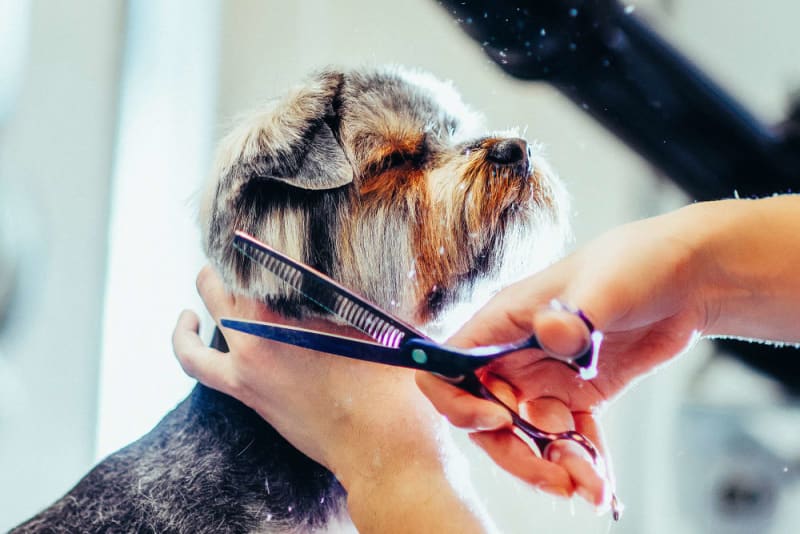
Skin Is the Largest Organ, Not a Decorative Layer
A pet’s skin is its first line of defense. It regulates temperature, blocks pathogens, and reflects internal health. Overbathing, using the wrong products, or ignoring coat type can damage this barrier.
Frequent bathing strips natural oils that protect against bacteria and fungi. Many owners interpret dryness, dandruff, or odor as signs of dirt, when they are actually symptoms of irritation. In response, they bathe more often, worsening the cycle.
Chronic skin inflammation increases the risk of infections that spread beyond the surface. In severe cases, untreated dermatitis can contribute to systemic inflammation, placing long-term stress on the immune system. What begins as a grooming mistake can evolve into a lifelong health burden.
Human Products, Animal Consequences
One of the most common grooming errors is using human shampoos or wipes on pets. Human skin and animal skin differ significantly in pH and oil composition. Products designed for people disrupt a pet’s natural balance, even if they seem gentle.
Repeated exposure can lead to allergic reactions, hair thinning, and chronic itching. Constant scratching damages the skin further, opening pathways for infection. Over time, this creates a persistent inflammatory state, which veterinary research increasingly links to conditions like arthritis flare-ups and metabolic disorders.
Convenience products marketed as “quick fixes” often trade long-term health for short-term ease.
Grooming Stress Is Not Harmless
Pets experience grooming emotionally as well as physically. Loud dryers, rough handling, restraint, and unfamiliar environments activate stress responses. For animals groomed improperly or too aggressively, grooming becomes a recurring trauma.
Chronic stress elevates cortisol levels. In animals, prolonged cortisol exposure weakens immunity, disrupts digestion, and affects cardiovascular health. Senior pets and those with underlying conditions are especially vulnerable.
A dog that trembles during grooming or a cat that hides afterward is not being dramatic. These behaviors are physiological signals. When stress becomes routine, lifespan can quietly shorten.
Nails, Joints, and Mobility
Nail trimming is often overlooked or delayed until nails visibly curl. Long nails alter posture and gait, placing unnatural pressure on joints. Over time, this contributes to joint degeneration, muscle imbalance, and chronic pain.
Pets rarely vocalize discomfort the way humans do. Instead, they move less, jump less, and age faster. What looks like “slowing down” is often preventable musculoskeletal strain caused by basic grooming neglect.
Proper nail care supports mobility, balance, and long-term joint health, especially in aging pets.
Ears and Teeth: Silent Risk Zones
Ear cleaning and dental care are frequently skipped because problems are not immediately visible. This is a dangerous assumption.
Moist, poorly ventilated ears are ideal environments for bacteria and yeast. Untreated ear infections can spread inward, affecting balance and neurological function. Chronic ear disease is painful, disorienting, and difficult to reverse.
Dental neglect is even more serious. Gum disease allows bacteria to enter the bloodstream, affecting the heart, kidneys, and liver. Studies consistently show a link between poor oral health and reduced lifespan in dogs and cats. Brushing teeth or using proper dental grooming tools is not cosmetic. It is organ protection.

Grooming as Early Detection
One of the most powerful benefits of proper grooming is early disease detection. Regular brushing, bathing, and handling allow owners to notice lumps, skin changes, weight loss, or sensitivity before symptoms escalate.
Many serious conditions, including tumors and autoimmune disorders, are first noticed during routine grooming. Pets do not complain. Grooming becomes the language through which their bodies speak.
Skipping grooming means losing one of the most reliable early-warning systems available to pet owners.
Breed-Specific Needs Matter
Not all pets are groomed the same way. Coat type, skin sensitivity, age, and health status all determine proper care. Shaving double-coated breeds, for example, disrupts temperature regulation and increases sunburn risk. Overbrushing fine coats causes breakage and irritation.
Well-intentioned but uninformed grooming can do more harm than neglect. Understanding your pet’s biological design is part of responsible ownership.
Longevity Is Built from Small Habits
Pets do not age suddenly. They age gradually, shaped by daily micro-decisions. Grooming is one of those decisions that seems small but accumulates impact over years.
Wrong grooming does not usually cause immediate tragedy. Instead, it accelerates wear, weakens defenses, and compounds stress. Lifespan is shortened not by a single mistake, but by thousands of overlooked signals.

Grooming Is Care, Not Control
True grooming is gentle, informed, and respectful. It prioritizes comfort over convenience, health over appearance. It adapts as pets age and as their needs change.
A well-groomed pet is not just clean. It is comfortable, monitored, supported, and protected.
When we understand grooming as healthcare rather than hygiene, we stop asking how our pets look and start asking how they feel. That shift alone can add years, not just shine, to their lives.