In the United States in 2025, the landscape of pet ownership is shifting dramatically—driven in large part by Millennials and Gen Z. These younger generations are not simply following the patterns of earlier pet‑owners; they are redefining what it means to live with and care for pets. From owning multiple animals to prioritizing wellness, sustainability and digital convenience, the changes are significant. Below, we explore the key trends, underlying drivers, and implications for pet owners, businesses and the animals themselves.
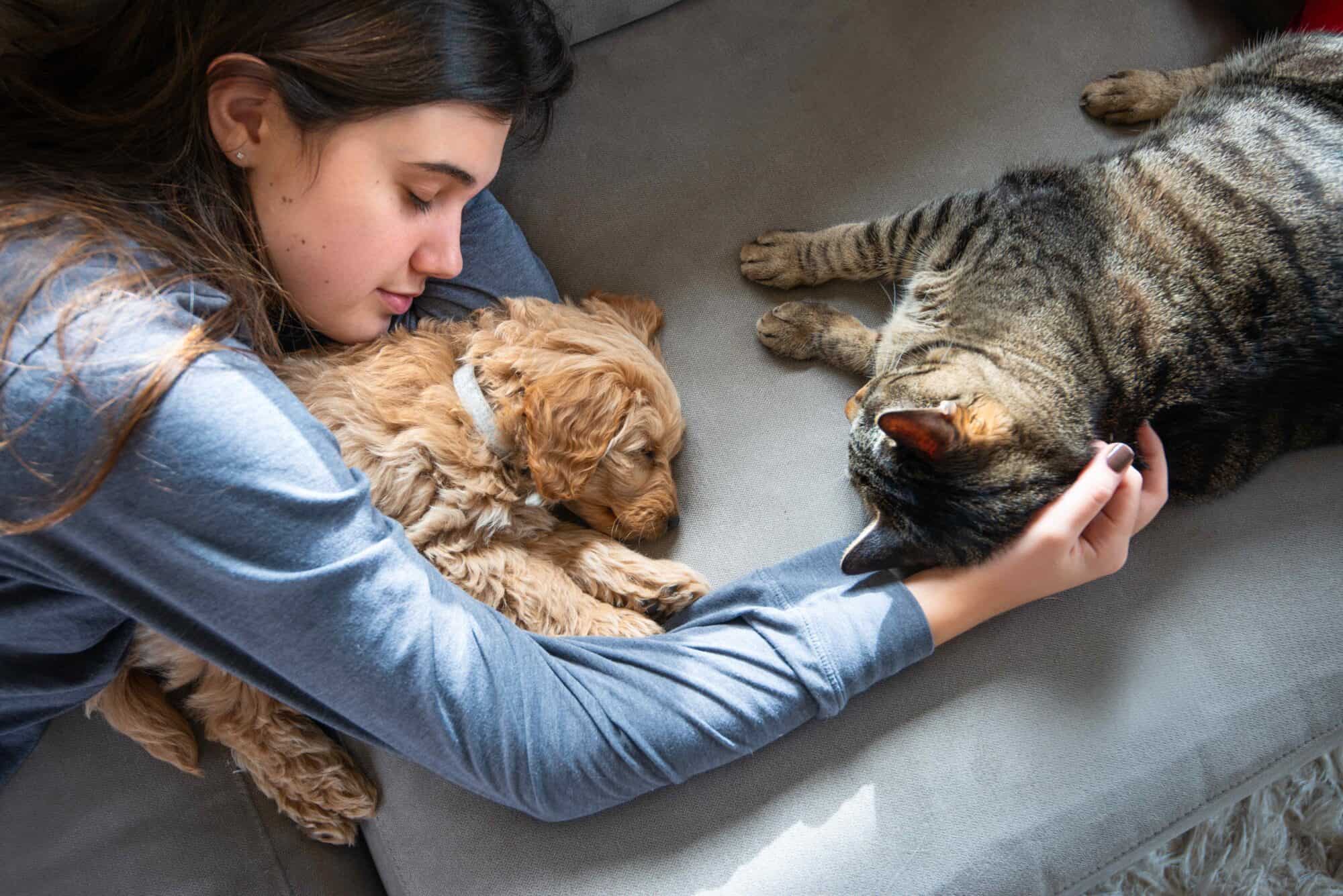
1. The Emerging Generations of Pet Owners
The most striking data: younger generations are now among the fastest‑growing segments of pet owners. According to the American Pet Products Association (APPA), in 2024 Gen Z represented 20 % of U.S. households that own a pet—a 43.5 % increase from 2023. Millennials too account for roughly 30 % of dog owners and 30 % of cat owners in U.S. data.
Not only are they owning pets—they are owning more of them. Seventy percent of Gen Z pet‑owning households report having two or more pets.
And interestingly, the typical gender imbalance is shifting: among Gen Z dog owners, 58 % are men; among Millennial dog owners, 63 % are men—both showing sharp increases from the prior year.
What does this tell us? The pet‑ownership base is becoming younger, more diverse, more invested—and this will shape how pet products, services and lifestyles evolve.
2. Pets as Family: The Humanization Trend
Millennials and Gen Z are more than pet‑parents—they treat pets as full members of the family. According to recent surveys, 90 % of U.S. dog owners say their dog’s health is as important or more important than their own—this sentiment is especially strong among younger owners.
The effect? Greater spending on pet wellness, nutrition, premium services and experiences. The APPA’s 2025 industry report projects total U.S. pet‑industry expenditures at $157 billion in 2025, up from $152 billion in 2024.
And the humanization shows up in behavior: more owners take their dogs on errands, bring cats gifts, celebrate pet birthdays and view their animals as emotional companions.
For Millennials and Gen Z this reflects broader shifts: declining human birth‑rates, delayed family formation, and increasing disposable income directed toward “pet‑children.” Pets fill roles once occupied by children—companionship, emotional support, lifestyle expression.

3. Multi‑Pet Households and Lifestyle Choices
With younger generations leading, another trend stands out: multi‑pet households. Gen Z households owning pets show a high likelihood of two or more animals. This means increased demands for pet services, simultaneous feeding, more insurance or healthcare plans, and expanded spend per household.
Additionally, housing and lifestyle choices of younger owners matter. Many live in urban apartments or shared housing but still want a pet presence. Cats remain popular for their lower space demands; smaller dog breeds or mixed‑pets also gain favor. Some reports note a shift toward “cat‑dads” among Millennials and Gen Z—male cat owners increasing significantly.
4. Premiumization, Wellness & Tech‑Driven Care
Younger pet‑owners are driving premiumization in pet care: high‑grade nutrition, wellness supplements, holistic treatments, tech gadgets and personalized services. For example, professional reports show Millennials and Gen Z are more likely to invest in calming products for their pets—78 % of Gen Z dog owners and 71 % of Gen Z cat owners use them.
Key elements of the trend:
-
Nutrition upgrades: Whole‑food, human‑grade and specialized diets (organic, freeze‑dried, raw) are increasingly common.
-
Health & vet care: Younger owners adopt pet insurance, regular check‑ups and even alternative therapies. One report noted 31 % of younger owners had pet insurance vs. only ~8 % of older generations.
-
Tech & services: From subscription product delivery and online vet consultations to wearable pet monitors and smart feeders, younger owners expect ease and innovation. An e‑commerce study finds 51 % of pet buyers purchase online, with younger generations leading the shift.
This premium and tech‑savvy approach sets future expectations for the entire pet industry.

5. Values & Sustainability in Pet Parenthood
Millennials and Gen Z are more attuned to values—sustainability, ethical sourcing, animal welfare—and this carries into pet ownership. While specific numbers for younger generations aren’t always disaggregated, industry commentary notes a rising demand for eco‑friendly pet products, insect‑based proteins, recyclable packaging and ethical breeds. The younger owners expect brands to align with their values.
Meanwhile, they also demand transparency, community and brand engagement—especially via social media. Younger owners often research, share reviews and expect brands to engage via Instagram, TikTok or YouTube.
6. Pet Travel, Experiences & Lifestyle Integration
Pets aren’t just at home—they’re part of Millennials’ and Gen Z’s lifestyles. A recent article noted younger Americans increasingly bring pets on errands, vacation travel or to workplaces. Indeed 14 % of employees report that their workplace allows pets—a 17 % increase from 2023.
Similarly, pet travel is on the rise: younger owners see their animals as companions for trips, not just staying at home. The “bring your dog everywhere” phenomenon is real—and influencing travel services, hospitality offerings and pet‑friendly amenities.
7. Challenges and Realities for Younger Pet Owners
While the trends are vibrant, younger pet owners also face distinct challenges:
-
Affordability and vet access: 37 % of U.S. pet owners report concerns about veterinary care access; 60 % cite affordability as the top issue. Many younger owners may have tight budgets, debt loads or live in high‑cost regions, yet still adopt pets.
-
Time & space constraints: Urban living, shared housing or flexible jobs can limit ability to care for high‑maintenance pets (large dogs, active breeds).
-
Multi‑pet responsibilities: With more animals comes bigger commitment—feeding, healthcare, time, training and potential behavioral issues.
-
Sustainability tensions: Premium diets and pet services have environmental and financial costs—and aligning sustainability with pet well‑being requires thoughtful choices.
8. Implications for the Pet Industry & Pet Owners
For the industry
-
Product development: Brands must rise to meet younger owner expectations—premium nutrition, tech‑integration, sustainability, direct‑to‑consumer models and social media engagement.
-
Retail & services: Omni‑channel retail (online + in‑store), subscription models and experience‑driven offerings are increasingly important.
-
Marketing: Younger audiences value authenticity, community and purpose. Pet brands must reflect values, not just sell products.
-
Pet‑care infrastructure: Services like pet travel, grooming, daycare—and even coworking with pets—will grow as younger owner lifestyle integrates animals more deeply.

For pet owners
-
Choose wisely: With so many pets and high expectations, younger owners should assess breed suitability, budget, space, vet access and long‑term commitment.
-
Plan for growth: Premium diets and services cost more. While pets are loved family members, they also require real resources over many years.
-
Use tech & knowledge: Younger owners are well‑positioned to leverage subscription services, online vet care, feeding trackers and social‑community learning to optimize pet care.
-
Focus on sustainability: Values‑driven ownership means making thoughtful choices around diet, waste reduction, adoption practices and eco‑friendly products.
9. Final Thoughts: The New Era of Pet Parenthood
Millennials and Gen Z are reshaping pet ownership in profound ways—owning more animals, treating them as family, investing in premium wellness, aligning with values and integrating pets deeply into lifestyle. These trends are not passing fads—they reflect deeper societal shifts: delayed human parenting, urban living, digital connectivity and demand for purposeful consumption.
If you’re a pet owner—or considering becoming one—understanding this generational wave matters. Pets today aren’t just companions. They are lifestyle reflections, values‑statements and investments in emotional well‑being.
For pet brands, the message is clear: the next generation of pet parents expects more than food and toys—they expect transparency, experience, health and alignment with their values.
In short: pet ownership has entered a new chapter, shaped by young, engaged, mindful and digitally‑native owners. Whether you’re a Millennial or Gen Z—or simply someone curious about what’s changing—this is the era where the “pet parent” role is more intentional, more premium, and more meaningful than ever.

About James Miller
Dog owner from Shanghai. Every article on FurryFriendTips is based on personal research — reading labels, tracking FDA recalls, consulting veterinary professionals, and testing food with my Maltese, Snowy. No sponsorships, no brand deals. Read my full story →
🐾 First-hand experience · Vet fact-checked · Updated weekly