In 2025, pet insurance has become one of the fastest-growing segments of the American insurance industry. Once seen as an optional luxury, it’s now viewed as an essential safeguard for millions of pet owners facing rising veterinary costs and increasingly complex medical procedures. Yet beneath the surge in policies and marketing promises lies a critical question: Are our pets truly protected, or are we buying into a system that still leaves coverage gaps?

1. The Pet Insurance Boom: A Look at the Numbers
According to the North American Pet Health Insurance Association (NAPHIA), the U.S. pet insurance industry surpassed $4.5 billion in premiums in 2025, nearly double what it was just five years ago. Over 6 million pets—mostly dogs, but an increasing number of cats—are now covered by some form of insurance.
This rapid growth has been fueled by several key factors:
-
Rising veterinary costs: Advanced diagnostic imaging, oncology, and surgery costs have soared, with emergency visits easily exceeding $2,000–$5,000.
-
Humanization of pets: Pets are now treated as family members, deserving the same level of healthcare protection.
-
Younger generations leading adoption: Millennials and Gen Z pet owners, often tech-savvy and risk-aware, are more likely to invest in insurance early.
But even with these promising trends, many owners who have filed claims find that the promise of “comprehensive coverage” doesn’t always match reality.
2. What Pet Insurance Actually Covers (and What It Doesn’t)
Most pet insurance plans fall into three main categories:
-
Accident-Only Policies – Cover injuries like fractures, ingestion of foreign objects, or toxic exposure.
-
Accident and Illness Policies – Include infections, cancer treatments, and hereditary diseases.
-
Comprehensive Wellness Plans – Add preventive care such as vaccinations, dental cleanings, and annual exams.
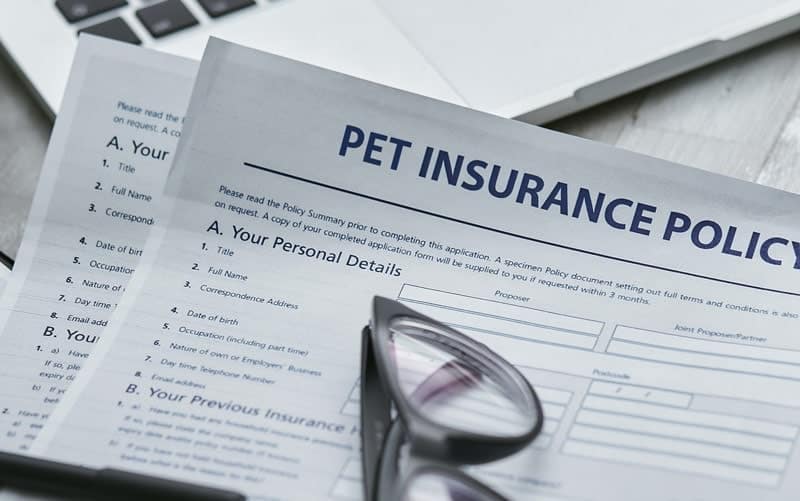
However, coverage exclusions remain one of the most misunderstood areas. Pre-existing conditions, behavioral therapy, cosmetic procedures, and breeding-related care are typically excluded. Even within covered categories, reimbursement caps and annual limits can leave pet owners footing large portions of bills.
A 2025 survey by Consumer Reports found that 37% of policyholders were “surprised” by out-of-pocket costs after claims, often due to co-pays or coverage ceilings buried in fine print.

3. Rising Vet Costs and the Illusion of Protection
The core of the 2025 pet insurance boom lies in the explosion of veterinary medicine costs. The American Veterinary Medical Association (AVMA) reports that average treatment expenses have risen by 35% since 2020, driven by inflation, medical technology, and staffing shortages.
Pet owners now face difficult trade-offs:
-
Should they pay thousands upfront for surgery and hope for reimbursement later?
-
Should they settle for basic care due to high deductibles or low coverage limits?
For example, a pet owner in Los Angeles shared that her Labrador’s cruciate ligament surgery cost nearly $6,200. Her insurer reimbursed only $3,800 after deductible and cap adjustments. “I thought I was covered,” she said, “but I still had to dip into savings.”
These experiences underline that insurance doesn’t always mean full protection—especially when policies differ dramatically by provider and plan level.
4. How to Choose the Right Pet Insurance in 2025
With over 25 major insurers now offering plans in the U.S., from specialized providers like Trupanion and Healthy Paws to mainstream giants like Nationwide and Lemonade, making the right choice requires careful evaluation.
Here’s a structured approach to choosing wisely:
① Assess Your Pet’s Profile
Breed, age, and lifestyle matter. Large-breed dogs or genetically predisposed breeds (e.g., French Bulldogs, German Shepherds) often face higher premiums due to health risks.
② Understand Coverage Depth
Ask these key questions:
-
Are hereditary and congenital conditions covered?
-
Is dental disease included?
-
What is the annual payout limit?
③ Compare Reimbursement Models
Plans vary between percentage-based reimbursement (70–90%) and benefit schedules that cap specific treatments. Percentage-based models usually offer better long-term value.
④ Examine Waiting Periods and Exclusions
A common pitfall: illnesses developing during the “waiting period” after enrollment are often classified as pre-existing.
⑤ Read Real Reviews and Claim Experiences
Platforms like Trustpilot or Better Business Bureau provide insight into how insurers handle real claims—something marketing brochures rarely reveal.

5. New Trends Shaping Pet Insurance in 2025
AI-Powered Underwriting and Claims
Several insurers have adopted AI-driven claim systems that use photo uploads of vet bills and health records for near-instant processing. This shift reduces delays but also raises concerns about algorithmic fairness.
Wellness + Insurance Bundles
A growing number of companies now offer “wellness bundles” combining traditional coverage with tele-vet consultations, DNA testing discounts, and nutrition plans—mirroring the rise of holistic pet care.
Employer-Backed Pet Benefits
Pet insurance has entered the employee benefits space, especially in tech and finance sectors. Major firms like Google and Capital One now include pet coverage in health benefit packages, boosting accessibility for younger workers.
6. Common Myths About Pet Insurance
Myth 1: “It’s not worth it unless your pet gets seriously ill.”
Reality: Preventive and minor issue coverage can save hundreds annually, especially for chronic allergies or dental care.
Myth 2: “All policies are the same.”
Reality: Policies vary widely. A plan covering hereditary diseases can make or break affordability in breeds prone to hip dysplasia or heart issues.
Myth 3: “My pet’s too old for insurance.”
Reality: While premiums increase with age, many insurers now offer age-inclusive policies, though with adjusted benefits.
7. Case Study: When Insurance Saves the Day
Consider Bailey, a 4-year-old Golden Retriever in Seattle. After ingesting a toy part, she required emergency surgery costing $4,800. Her owner had a 90% reimbursement plan with a $500 deductible—receiving $3,820 back within a week.
“Without insurance,” her owner explained, “I might have delayed care, and that could’ve been fatal.” Stories like Bailey’s show why many see pet insurance not as a luxury, but a necessity.
8. Challenges Ahead: Transparency and Standardization
Despite the boom, the industry faces growing calls for standardized coverage definitions and greater transparency. Advocacy groups are pushing for:
-
Clearer explanations of exclusions.
-
Regulation to prevent misleading “comprehensive” marketing.
-
Simplified digital comparison tools across providers.
The National Association of Insurance Commissioners (NAIC) is currently reviewing proposals to establish national standards for pet insurance—potentially transforming how coverage is sold and understood.
9. Final Thoughts: Is Your Pet Truly Protected?
The 2025 pet insurance boom shows a nation of owners determined to protect their furry family members. But it also exposes a complex market where marketing sometimes outruns clarity.
If you’re considering coverage, remember: the best protection isn’t the most expensive plan—it’s the one that truly fits your pet’s lifestyle, health history, and your financial comfort zone.
In the end, genuine protection means more than paying premiums. It’s about understanding what your policy covers, anticipating future needs, and ensuring that when your pet needs care most—you’re ready, both emotionally and financially.
Compliance & Disclaimer
This article is for informational purposes only and does not constitute financial or veterinary advice. Always consult licensed insurance providers and veterinarians before making health or policy decisions for your pet.

About James Miller
Dog owner from Shanghai. Every article on FurryFriendTips is based on personal research — reading labels, tracking FDA recalls, consulting veterinary professionals, and testing food with my Maltese, Snowy. No sponsorships, no brand deals. Read my full story →
🐾 First-hand experience · Vet fact-checked · Updated weekly